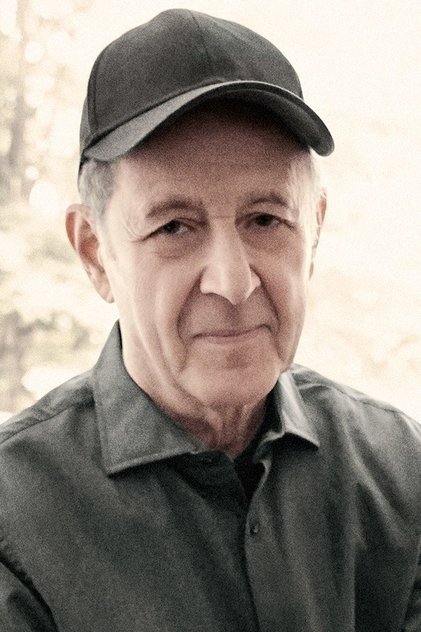
Steve Reich
- Known for
- Sound
- Born
- October 3, 1936
- Birthplace
- New York City, New York, USA
Steve Reich was born on October 3, 1936 in New York City, New York, USA as Stephen Michael Reich. Stephen Michael Reich (born October 3, 1936) is an American composer who, along with La Monte Young, Terry Riley, and Philip Glass, pioneered minimal music in the mid to late 1960s. Reich's style of composition influenced many composers and groups. His innovations include using tape loops to create phasing patterns (for example, his early compositions It's Gonna Rain and Come Out), and the use of simple, audible processes to explore musical concepts (for instance, Pendulum Music and Four Organs). These compositions, marked by their use of repetitive figures, slow harmonic rhythm and canons, have significantly influenced contemporary music, especially in the US. Reich's work took on a darker character in the 1980s with the introduction of historical themes as well as themes from his Jewish heritage, notably Different Trains. Writing in The Guardian, music critic Andrew Clements suggested that Reich is one of "a handful of living composers who can legitimately claim to have altered the direction of musical history".[6] The American composer and critic Kyle Gann has said that Reich "may ... be considered, by general acclamation, America's greatest living composer". From Wikipedia, the free encyclopediaRead moreHide biography
Steve Reich was born on October 3, 1936 in New York City, New York, USA as Stephen Michael Reich. Stephen Michael Reich (born October 3, 1936) is an American composer who, along with La Monte Young, Terry Riley, and Philip Glass, pioneered minimal music in the mid to late 1960s. Reich's style of composition influenced many composers and groups. His innovations include using tape loops to create phasing patterns (for example, his early compositions It's Gonna Rain and Come Out), and the use of simple, audible processes to explore musical concepts (for instance, Pendulum Music and Four Organs). These compositions, marked by their use of repetitive figures, slow harmonic rhythm and canons, have significantly influenced contemporary music, especially in the US. Reich's work took on a darker character in the 1980s with the introduction of historical themes as well as themes from his Jewish heritage, notably Different Trains. Writing in The Guardian, music critic Andrew Clements suggested that Reich is one of "a handful of living composers who can legitimately claim to have altered the direction of musical history".[6] The American composer and critic Kyle Gann has said that Reich "may ... be considered, by general acclamation, America's greatest living composer". From Wikipedia, the free encyclopedia
Known for

The Dying Gaul
2005

Mostly Martha
2001
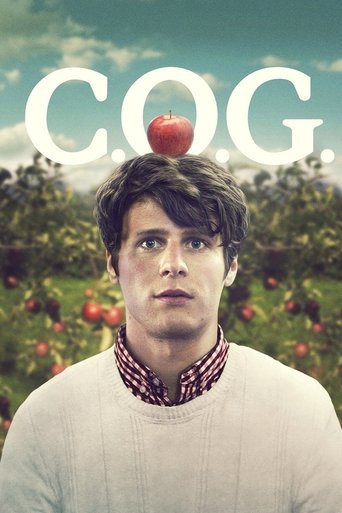
C.O.G.
2013

John Adams: A Portrait and A Concert of Modern American Music
2000

A Few Things I Know About Miami
1986

Shadow on the Snow
1992
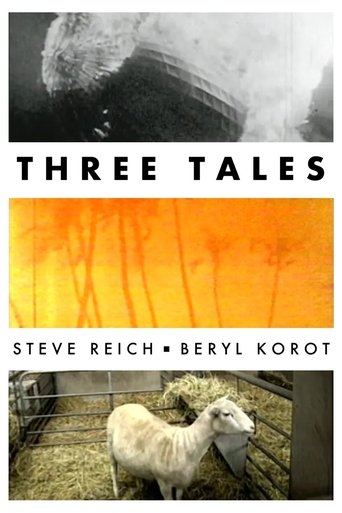
Reich: Three Tales
2002

Puparia
2021

My Name Is Oona
1969
Les Apaches | Simon Nogueira | Johan Tonnoir | Andrea Catozzi @ Paris Sur Mesure
2024
Credits
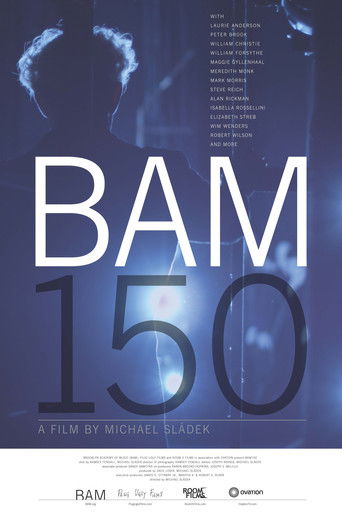
BAM150
Movie2012
Self

Steve Reich: Phase to Face
Movie2011
Self

Michael Nyman in Progress
Movie2010TMDB 1.5
Self

Reich at the Roxy
Movie2006
Himself
In the Ocean
Movie2001

Steve Reich - City Life
Movie1995TMDB 6.5
- Steve Reich: A New Musical Language
Steve Reich: A New Musical Language
Movie1987
Self
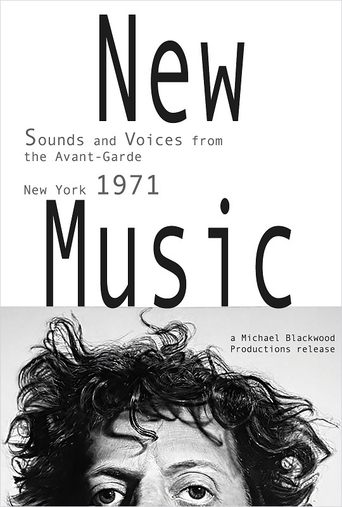
New Music: Sounds and Voices from the Avant-Garde New York 1971
Movie1971
Self
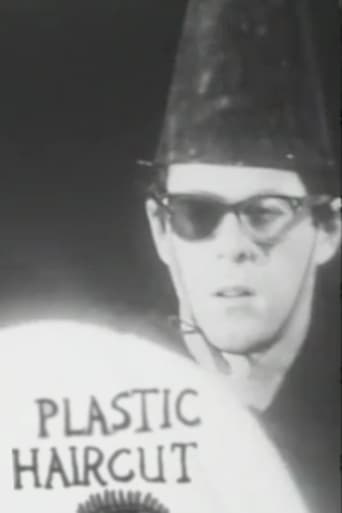
Plastic Haircut
Movie1963
- Thirty Second Spots: TV Commercials for Artists (1982-83)
Thirty Second Spots: TV Commercials for Artists (1982-83)
Movie
Steve Reich