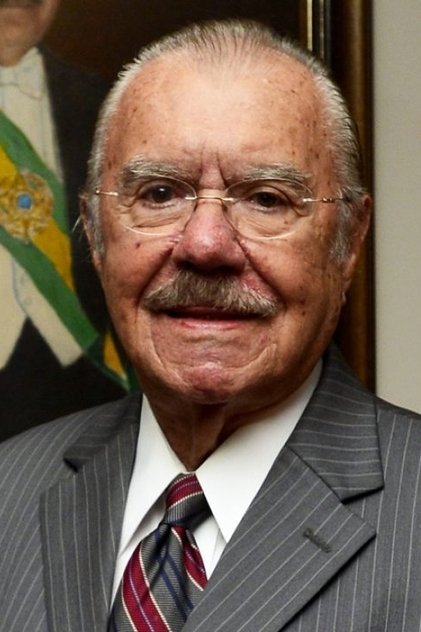
José Sarney
- Known for
- Acting
- Born
- April 24, 1930
- Birthplace
- Pinheiro, Maranhão, Brazil
José Sarney de Araújo Costa (born José Ribamar Ferreira de Araújo Costa; 24 April 1930) is a Brazilian politician, lawyer, and writer who served as 31st president of Brazil from 1985 to 1990. He briefly served as the 20th vice president of Brazil for a month between April and May 1985. Sarney was a member of the Chamber of Deputies from 1955 until 1966 and of the Senate from 1971 until 1985. He was also the Governor of Maranhão from 1966 until 1970. During the Brazilian military dictatorship, Sarney affiliated himself with the government party, ARENA, becoming the president of the party in 1979. Sarney joined the dissenters, and was instrumental in the creation of the Liberal Front Party. Sarney ran for Vice-President on the ticket of Tancredo Neves of PMDB, formerly the opposition party to the military government. Neves won the presidential election, but fell ill and died before taking office, and Sarney became President. He started out his term with great popularity, but public opinion shifted with the Brazilian debt crisis and the failure of Plano Cruzado to abate chronic inflation. His government is seen today as disastrous and clientelism was widespread having longlasting consequences for the Brazilian Republic post military dictatorship. Following his presidency, Sarney resumed his senate career elected again in 1991 and serving until 2015. He also held the position of President of the Federal Senate three times following his presidency. At age 92, he is the oldest living former Brazilian president, and at the time of his retirement in 2015, had one of the longest congressional careers in Brazilian history. Born in Pinheiro, Maranhão, as José Ribamar Ferreira de Araújo Costa, he was the son of Sarney de Araújo Costa, a wealthy land-owner and sugarcane producer, and Kiola Ferreira. His family has origins in Viseu in Portugal. He attended Colégio Marista and the Licéu Maranhense before attending the Federal University of Maranhão. In 1953, he graduated from the federal university receiving his bachelor's degree in law. After his graduation, he launched a postmodernist literary journal titled A Ilha. In 1965 he legally adopted the name José Sarney de Araújo Costa, usually shortened to José Sarney, for electoral purposes. He was known as "Zé do Sarney", as in "José, son of Sarney". Sarney's father acquired the name after being born on a land owned by an Englishman named "Sir Ney". Sarney started his political career in the 1950s after becoming a replacement deputy and later as a federal deputy in 1955. He was a member of the centre-right National Democratic Union (União Democrática Nacional—UDN), aligned with the progressive wing of the party. He strongly supported so-called "Revolution of 1964", a military coup that overthrew leftist President João Goulart in 1964. After the military coup, Sarney followed most of the UDN into the National Renewal Alliance (ARENA), the political party of the military government. He was elected governor of the state of Maranhão in 1966, serving until 1971. He was then elected to the Brazilian Senate and became ARENA's president. ... Source: Article "José Sarney" from Wikipedia in English, licensed under CC-BY-SA 3.0.Read moreHide biography
José Sarney de Araújo Costa (born José Ribamar Ferreira de Araújo Costa; 24 April 1930) is a Brazilian politician, lawyer, and writer who served as 31st president of Brazil from 1985 to 1990. He briefly served as the 20th vice president of Brazil for a month between April and May 1985. Sarney was a member of the Chamber of Deputies from 1955 until 1966 and of the Senate from 1971 until 1985. He was also the Governor of Maranhão from 1966 until 1970. During the Brazilian military dictatorship, Sarney affiliated himself with the government party, ARENA, becoming the president of the party in 1979. Sarney joined the dissenters, and was instrumental in the creation of the Liberal Front Party. Sarney ran for Vice-President on the ticket of Tancredo Neves of PMDB, formerly the opposition party to the military government. Neves won the presidential election, but fell ill and died before taking office, and Sarney became President. He started out his term with great popularity, but public opinion shifted with the Brazilian debt crisis and the failure of Plano Cruzado to abate chronic inflation. His government is seen today as disastrous and clientelism was widespread having longlasting consequences for the Brazilian Republic post military dictatorship. Following his presidency, Sarney resumed his senate career elected again in 1991 and serving until 2015. He also held the position of President of the Federal Senate three times following his presidency. At age 92, he is the oldest living former Brazilian president, and at the time of his retirement in 2015, had one of the longest congressional careers in Brazilian history. Born in Pinheiro, Maranhão, as José Ribamar Ferreira de Araújo Costa, he was the son of Sarney de Araújo Costa, a wealthy land-owner and sugarcane producer, and Kiola Ferreira. His family has origins in Viseu in Portugal. He attended Colégio Marista and the Licéu Maranhense before attending the Federal University of Maranhão. In 1953, he graduated from the federal university receiving his bachelor's degree in law. After his graduation, he launched a postmodernist literary journal titled A Ilha. In 1965 he legally adopted the name José Sarney de Araújo Costa, usually shortened to José Sarney, for electoral purposes. He was known as "Zé do Sarney", as in "José, son of Sarney". Sarney's father acquired the name after being born on a land owned by an Englishman named "Sir Ney". Sarney started his political career in the 1950s after becoming a replacement deputy and later as a federal deputy in 1955. He was a member of the centre-right National Democratic Union (União Democrática Nacional—UDN), aligned with the progressive wing of the party. He strongly supported so-called "Revolution of 1964", a military coup that overthrew leftist President João Goulart in 1964. After the military coup, Sarney followed most of the UDN into the National Renewal Alliance (ARENA), the political party of the military government. He was elected governor of the state of Maranhão in 1966, serving until 1971. He was then elected to the Brazilian Senate and became ARENA's president. ... Source: Article "José Sarney" from Wikipedia in English, licensed under CC-BY-SA 3.0.
Known for
Credits

Fernando Collor: The Maharajah Hunter
TV2025TMDB 9.3
Self · 4 eps

The Hijacking of Flight 375
Movie2023TMDB 7.7
Self (archive footage)

Lobby do Batom
Movie2022
Self (archive footage)
8 Presidentes 1 Juramento: A História de um Tempo Presente
Movie2021TMDB 8.0
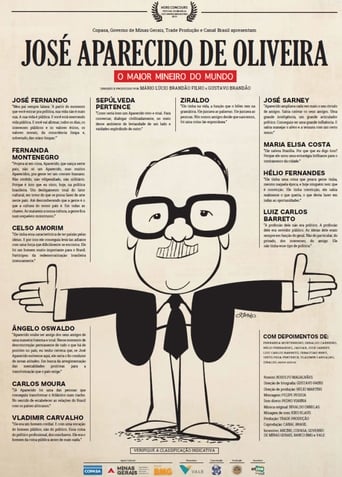
José Aparecido de Oliveira – O Maior Mineiro do Mundo
Movie2019
Self

Letter Beyond the Walls
Movie2019TMDB 8.1
Self (archive footage)

Não Nasci para Deixar meus Olhos Perderem Tempo
Movie2019
Self (archive footage)
- O Brasil Deu Certo. E Agora?
O Brasil Deu Certo. E Agora?
Movie2013TMDB 4.8
Himself
- Português - A Língua do Brasil
Português - A Língua do Brasil
Movie2007

João do Vale, Muita Gente Desconhece
Movie2005
Self
- Sousândrade - O Guesa Errante
Sousândrade - O Guesa Errante
Movie2004
Ele mesmo
1964: 40 Years After
Movie2004TMDB 5.0
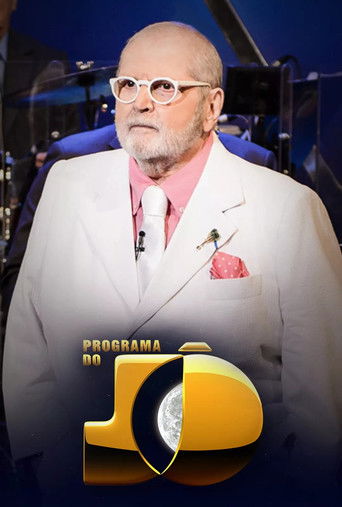
Programa do Jô
TV2000TMDB 8.0
1 ep

Glauber em Tempo - Redescobrindo o Brasil
Movie2000
- Ulysses Cidadão
Ulysses Cidadão
Movie1993
Self (archive footage)

Terra Para Rose
Movie1987TMDB 7.2

Brascuba
Movie1987TMDB 7.0
Self (archive footage)

Muda Brasil
Movie1985TMDB 8.5
Self

Champs-Elysées
TV1982TMDB 6.8
Self · 1 ep
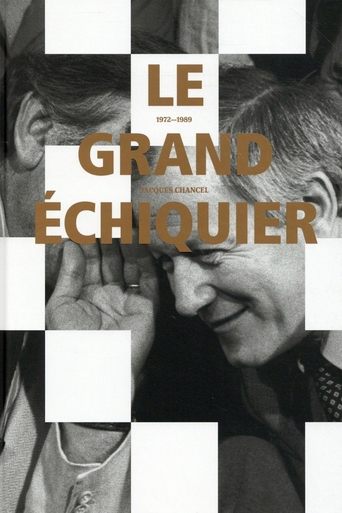
Le Grand Échiquier
TV1972TMDB 8.0
Self · 1 ep
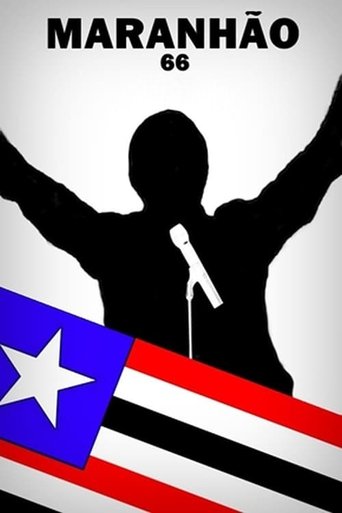
Maranhão 66
Movie1966TMDB 6.8
Self

Maio Oito Meia
Movie