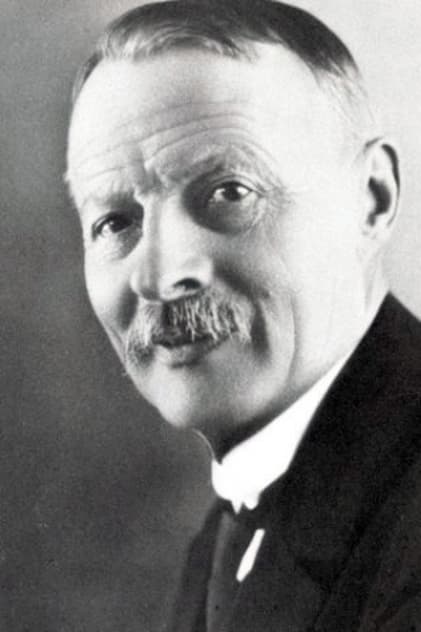
Charles Pathé
- Known for
- Production
- Born
- December 26, 1863
- Died
- December 25, 1957
- Birthplace
- Chevry-Cossigny, Seine-et-Marne, France
Charles Morand Pathé (26 December 1863 – 25 December 1957) was a pioneer of the French film and recording industries. As the founder of Pathé Frères, its roots lie in 1896 Paris, France, when Pathé and his brothers pioneered the development of the moving image. Pathé adopted the national emblem of France, the cockerel, as the trademark for his company. After the company, now called Compagnie Générale des Éstablissements Pathé Frères Phonographes & Cinématographes, invented the cinema newsreel with Pathé-Journal. The son of a butcher shop owner, Charles Morand Pathé was born at Chevry-Cossigny, in the Seine-et-Marne département of France. His father, Jacques Pathé and mother, Thérèse-Émélie Kech were butchers by trade, and ran a delicatessen first in Chevry-Cossigny, and later in Vincennes. Charles had three brothers and two sisters. Pathé left school at 14 to work as an apprentice butcher, at rue de Charenton, Paris. After military service, in 1889, at 25, he began working as a meat merchant but soon took his savings, and with the help of his brothers and his sister, embarked for Buenos Aires, Argentina, with the aim of setting up in business. Pathé tried to establish himself in various trades including a laundry service based on industrial washing machines that turned out to be unsuccessful. His life was unsettled and Pathé was forced to change jobs frequently. After a final failure of trying to deal in exotic parrots, when he and his business partner were stricken with yellow fever, Pathé returned to France in poor health. At age 30, Pathé married lle Foy in Paris, and worked as a clerk, drawing a meager salary. Back in Vincennes, in August 1894, Pathé saw the phonograph invented by Thomas Edison, demonstrated at the town fair. He immediately embraced the sound recording technology, purchasing examples of Edison machines to resell. In 1896, with his brothers Émile, Théophile and Jacques, Pathé founded Société Pathé Frères (Pathé Brothers) in Paris, a company that manufactured and sold phonographs and phonograph cylinders, with Émile Pathé at his head. While in London, Pathé saw the Edison Kinetoscope and decided to expand the Pathé company's business to distributing cinema projection equipment, and with the acquisition of Eastman Kodak patent rights in Europe, a licence for film stock in theatres throughout France. Pathé films were rented out, for a maximum of four months, a more lucrative business than selling the product. A modest first factory had been installed in 1896 at Vincennes. The first films of the Société Pathé Frères such as Le Passage à niveau à Joinville le Pont and L'Arrivée d'un train en gare de Bel-Air were produced, under Pathé's guidance. For several years, however, the success of the phonograph business underwrote the success of the cinema company. ... Source: Article "Charles Pathé" from Wikipedia in English, licensed under CC-BY-SA 3.0.Read moreHide biography
Charles Morand Pathé (26 December 1863 – 25 December 1957) was a pioneer of the French film and recording industries. As the founder of Pathé Frères, its roots lie in 1896 Paris, France, when Pathé and his brothers pioneered the development of the moving image. Pathé adopted the national emblem of France, the cockerel, as the trademark for his company. After the company, now called Compagnie Générale des Éstablissements Pathé Frères Phonographes & Cinématographes, invented the cinema newsreel with Pathé-Journal. The son of a butcher shop owner, Charles Morand Pathé was born at Chevry-Cossigny, in the Seine-et-Marne département of France. His father, Jacques Pathé and mother, Thérèse-Émélie Kech were butchers by trade, and ran a delicatessen first in Chevry-Cossigny, and later in Vincennes. Charles had three brothers and two sisters. Pathé left school at 14 to work as an apprentice butcher, at rue de Charenton, Paris. After military service, in 1889, at 25, he began working as a meat merchant but soon took his savings, and with the help of his brothers and his sister, embarked for Buenos Aires, Argentina, with the aim of setting up in business. Pathé tried to establish himself in various trades including a laundry service based on industrial washing machines that turned out to be unsuccessful. His life was unsettled and Pathé was forced to change jobs frequently. After a final failure of trying to deal in exotic parrots, when he and his business partner were stricken with yellow fever, Pathé returned to France in poor health. At age 30, Pathé married lle Foy in Paris, and worked as a clerk, drawing a meager salary. Back in Vincennes, in August 1894, Pathé saw the phonograph invented by Thomas Edison, demonstrated at the town fair. He immediately embraced the sound recording technology, purchasing examples of Edison machines to resell. In 1896, with his brothers Émile, Théophile and Jacques, Pathé founded Société Pathé Frères (Pathé Brothers) in Paris, a company that manufactured and sold phonographs and phonograph cylinders, with Émile Pathé at his head. While in London, Pathé saw the Edison Kinetoscope and decided to expand the Pathé company's business to distributing cinema projection equipment, and with the acquisition of Eastman Kodak patent rights in Europe, a licence for film stock in theatres throughout France. Pathé films were rented out, for a maximum of four months, a more lucrative business than selling the product. A modest first factory had been installed in 1896 at Vincennes. The first films of the Société Pathé Frères such as Le Passage à niveau à Joinville le Pont and L'Arrivée d'un train en gare de Bel-Air were produced, under Pathé's guidance. For several years, however, the success of the phonograph business underwrote the success of the cinema company. ... Source: Article "Charles Pathé" from Wikipedia in English, licensed under CC-BY-SA 3.0.
Known for
Credits
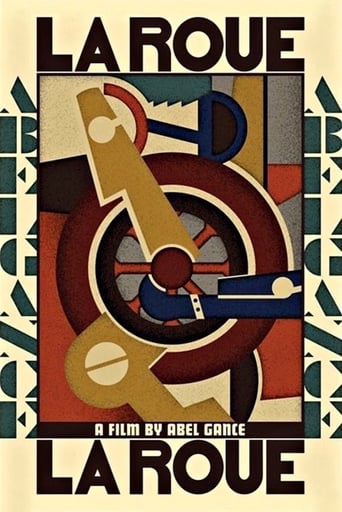
La Roue
Movie1923TMDB 7.3
Producer
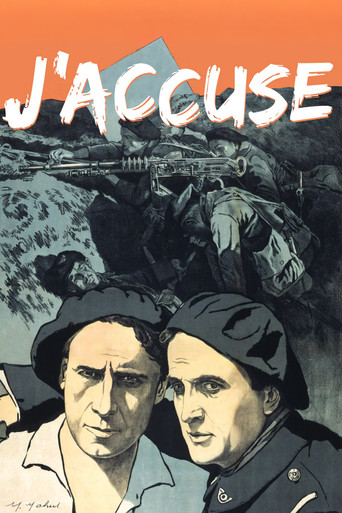
J'accuse
Movie1919TMDB 7.4
Producer
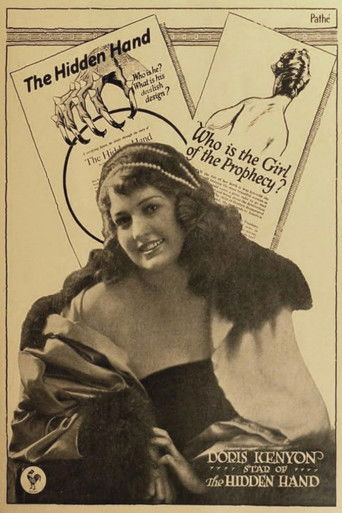
The Hidden Hand
Movie1917
Producer
- The Factory of Hats of Paper in Japan
The Factory of Hats of Paper in Japan
Movie1916
Producer

The Banks of the Thames from Oxford to Windsor
Movie1914
Producer
- The King of Prison
The King of Prison
Movie1913TMDB 9.0
Producer
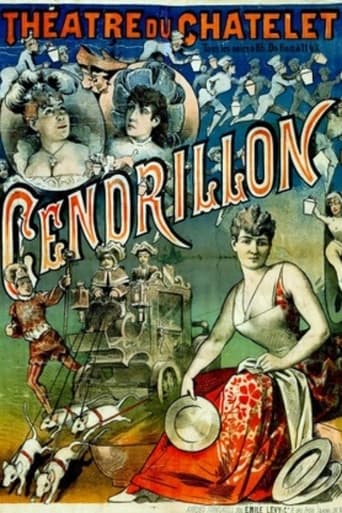
Cinderella or The Glass Slipper
Movie1912TMDB 5.8
Producer
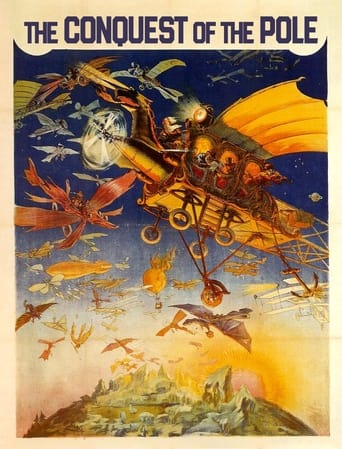
The Conquest of the Pole
Movie1912TMDB 6.2
Producer
- Jael and Sisera
Jael and Sisera
Movie1911TMDB 7.0
Producer
- The Carrot Caterpillar
The Carrot Caterpillar
Movie1911TMDB 4.0
Producer
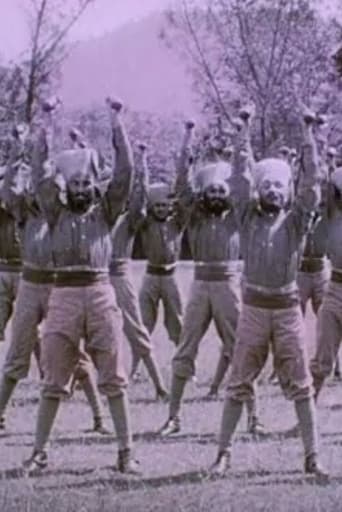
Sports in the Indian Army
Movie1910
Producer
- Spirochoeta pallida (de la syphilis)
Spirochoeta pallida (de la syphilis)
Movie1910
Producer
- Glimpses of Bird Life
Glimpses of Bird Life
Movie1910
Producer
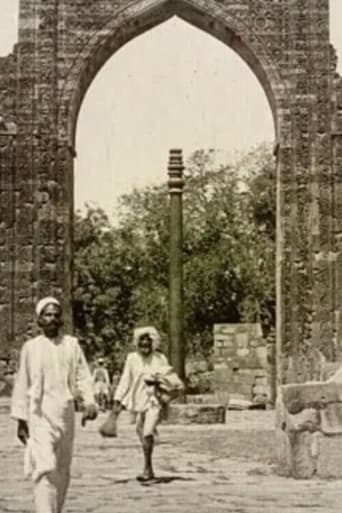
Ruins of Delhi
Movie1910
Producer
- The Mysterious Man
The Mysterious Man
Movie1910TMDB 4.0
Producer
- Fishing for Crocodiles
Fishing for Crocodiles
Movie1909
Producer
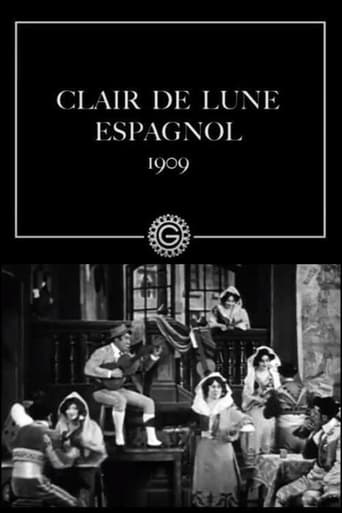
Spanish Clair de Lune
Movie1909TMDB 5.8
Producer
- Un baile nacional en Cantagallo, también llamada Una jarana en Cantagallo
Un baile nacional en Cantagallo, también llamada Una jarana en Cantagallo
Movie1908
Producer
- Corridas de toros en Lima
Corridas de toros en Lima
Movie1908
Producer
- Vendedor de El Comercio
Vendedor de El Comercio
Movie1908
Producer
- El Jubileo de Su Santidad, película de las corporaciones oficiales para celebrar la festividad del Papa en la Catedral de Lima
El Jubileo de Su Santidad, película de las corporaciones oficiales para celebrar la festividad del Papa en la Catedral de Lima
Movie1908
Producer
- Salida de misa de Santo Domingo
Salida de misa de Santo Domingo
Movie1908
Producer
- El Presidente Leguía en las carreras
El Presidente Leguía en las carreras
Movie1908
Producer
- Un domingo en Lima
Un domingo en Lima
Movie1908
Producer
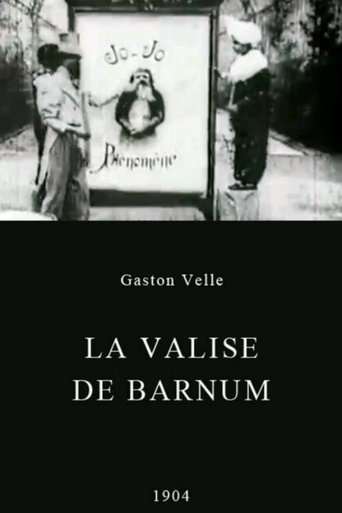
Barnum's Trunk
Movie1904TMDB 5.7
Producer
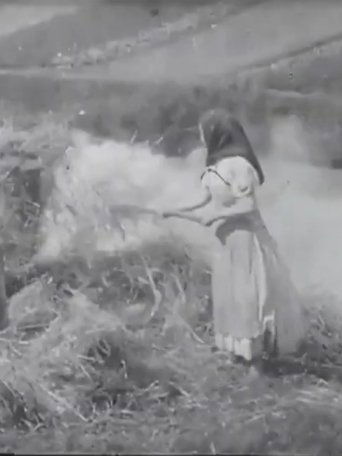
Brûleuses d'herbes
Movie1899TMDB 2.0
Producer
- Masques et grimaces
Masques et grimaces
Movie
Producer