
William Sheller
- Known for
- Sound
- Born
- July 9, 1946
- Birthplace
- Paris, France
William Sheller (born William Desbœuf) on 9 July 1946) is a French classical composer and singer-songwriter. A prominent artist of French popular music since the 1970s, William Sheller has the particularity of being one of the few singers of French chanson who has benefited from a solid background in classical music. This has influenced his repertoire with a sophisticated musical style, combining elements of classical music with chanson and symphonic rock. Born in Paris to an American soldier and a French mother, William Desbœuf was raised in Ohio until he was 7. He then went back to France to live with his mother's parents, who worked in the Théâtre des Champs-Élysées and the Palais Garnier. William left school at 16 to study composition with teacher Yves Margat (himself a student of Gabriel Fauré) and later harmony, fugue and counterpoint at the Paris conservatoire. He was training for the Prix de Rome but turned to pop music after hearing the Beatles. Since then, Sheller has had a successful career both as a classical composer and as a pop singer. His works often mix both genres. For example, some of his songs include carefully crafted orchestral passages (the Baroque introduction to Le nouveau monde) as well as instruments that are seldom found in pop music (such as a horn in Les miroirs dans la boue and a clarinet in Fier et fou de vous). On the other hand, his Lux aeterna is written for orchestra, choir and rock band. He has toured several times with transcriptions of his songs for voice and orchestra as well as for voice and piano quintet. Additionally, he has also written film music (Titanic) and songs or arrangements for other artists (Dalida, Joe Dassin, Barbara... etc.). The "Introït" from his Lux aeterna (1972) was heavily sampled for the title track from Deltron 3030 (2000), produced by Dan the Automator. Source: Article "William Sheller" from Wikipedia in English, licensed under CC-BY-SA.Read moreHide biography
William Sheller (born William Desbœuf) on 9 July 1946) is a French classical composer and singer-songwriter. A prominent artist of French popular music since the 1970s, William Sheller has the particularity of being one of the few singers of French chanson who has benefited from a solid background in classical music. This has influenced his repertoire with a sophisticated musical style, combining elements of classical music with chanson and symphonic rock. Born in Paris to an American soldier and a French mother, William Desbœuf was raised in Ohio until he was 7. He then went back to France to live with his mother's parents, who worked in the Théâtre des Champs-Élysées and the Palais Garnier. William left school at 16 to study composition with teacher Yves Margat (himself a student of Gabriel Fauré) and later harmony, fugue and counterpoint at the Paris conservatoire. He was training for the Prix de Rome but turned to pop music after hearing the Beatles. Since then, Sheller has had a successful career both as a classical composer and as a pop singer. His works often mix both genres. For example, some of his songs include carefully crafted orchestral passages (the Baroque introduction to Le nouveau monde) as well as instruments that are seldom found in pop music (such as a horn in Les miroirs dans la boue and a clarinet in Fier et fou de vous). On the other hand, his Lux aeterna is written for orchestra, choir and rock band. He has toured several times with transcriptions of his songs for voice and orchestra as well as for voice and piano quintet. Additionally, he has also written film music (Titanic) and songs or arrangements for other artists (Dalida, Joe Dassin, Barbara... etc.). The "Introït" from his Lux aeterna (1972) was heavily sampled for the title track from Deltron 3030 (2000), produced by Dan the Automator. Source: Article "William Sheller" from Wikipedia in English, licensed under CC-BY-SA.
Known for

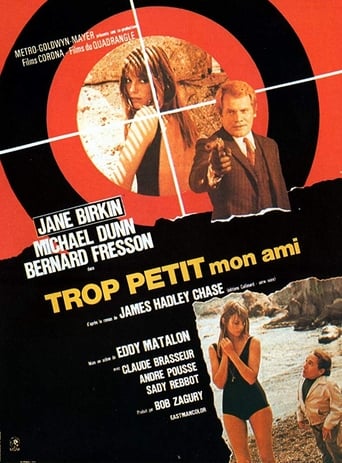
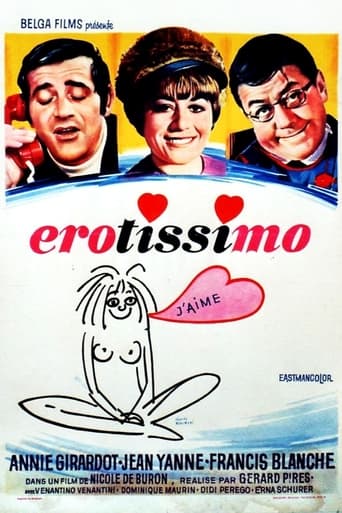
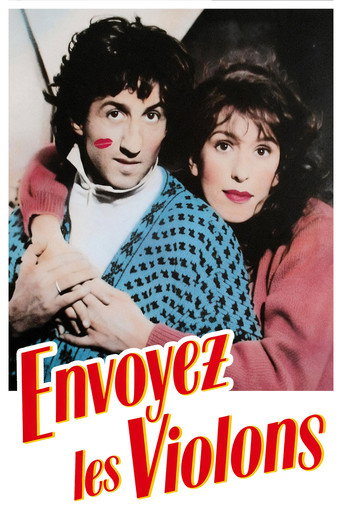

Credits

The Jolly Forgers
Movie2023TMDB 6.6
Le Père Benoit
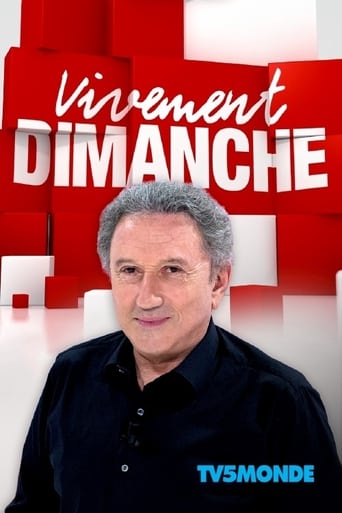
Vivement dimanche
TV1998TMDB 3.6
Self · 3 eps
Taratata
TV1993TMDB 7.8
Self · 2 eps

Les Nuls, l'émission
TV1990TMDB 8.6
Self - Musical Guest · 1 ep

Excalibur
Movie1990TMDB 8.5
King / Roi

Le monde est à vous
TV1987
Self · 3 eps
Sacrée soirée
TV1987TMDB 5.7
Self · 2 eps
Victoires de la musique
TV1985TMDB 3.3
Self · 3 eps
Champs-Elysées
TV1982TMDB 6.8
Self · 2 eps
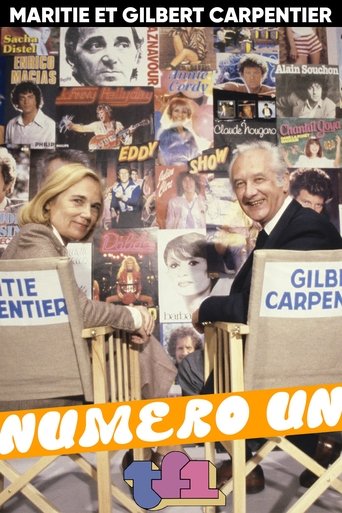
Numéro un
TV1975TMDB 7.5
Self · 5 eps
- Système 2
Système 2
TV1975
Self · 1 ep
Les Rendez-vous du dimanche
TV1975TMDB 6.0
Self · 5 eps
Midi Première
TV1975TMDB 9.0
Self · 11 eps
Le Grand Échiquier
TV1972TMDB 8.0
Self · 1 ep