
Jean Sibelius
- Known for
- Sound
- Born
- December 8, 1865
- Died
- September 20, 1957
- Birthplace
- Hämeenlinna, Finland
Jean Sibelius was a Finnish composer and violinist of the late Romantic and early-modern periods. He is widely recognized as his country's greatest composer and, through his music, is often credited with having helped Finland to develop a national identity during its struggle for independence from Russia. The core of his oeuvre is his set of seven symphonies, which, like his other major works, are regularly performed and recorded in his home country and internationally. His other best-known compositions are Finlandia, the Karelia Suite, Valse triste, the Violin Concerto, the choral symphony Kullervo, and The Swan of Tuonela (from the Lemminkäinen Suite). Other works include pieces inspired by nature, Nordic mythology, and the Finnish national epic, the Kalevala, over a hundred songs for voice and piano, incidental music for numerous plays, the opera Jungfrun i tornet (The Maiden in the Tower), chamber music, piano music, Masonic ritual music, and 21 publications of choral music. Sibelius composed prolifically until the mid-1920s, but after completing his Seventh Symphony (1924), the incidental music for The Tempest (1926) and the tone poem Tapiola (1926), he stopped producing major works in his last thirty years, a stunning and perplexing decline commonly referred to as "The Silence of Järvenpää", the location of his home. Although he is reputed to have stopped composing, he attempted to continue writing, including abortive efforts on an eighth symphony. In later life, he wrote Masonic music and re-edited some earlier works while retaining an active but not always favourable interest in new developments in music.Read moreHide biography
Jean Sibelius was a Finnish composer and violinist of the late Romantic and early-modern periods. He is widely recognized as his country's greatest composer and, through his music, is often credited with having helped Finland to develop a national identity during its struggle for independence from Russia. The core of his oeuvre is his set of seven symphonies, which, like his other major works, are regularly performed and recorded in his home country and internationally. His other best-known compositions are Finlandia, the Karelia Suite, Valse triste, the Violin Concerto, the choral symphony Kullervo, and The Swan of Tuonela (from the Lemminkäinen Suite). Other works include pieces inspired by nature, Nordic mythology, and the Finnish national epic, the Kalevala, over a hundred songs for voice and piano, incidental music for numerous plays, the opera Jungfrun i tornet (The Maiden in the Tower), chamber music, piano music, Masonic ritual music, and 21 publications of choral music. Sibelius composed prolifically until the mid-1920s, but after completing his Seventh Symphony (1924), the incidental music for The Tempest (1926) and the tone poem Tapiola (1926), he stopped producing major works in his last thirty years, a stunning and perplexing decline commonly referred to as "The Silence of Järvenpää", the location of his home. Although he is reputed to have stopped composing, he attempted to continue writing, including abortive efforts on an eighth symphony. In later life, he wrote Masonic music and re-edited some earlier works while retaining an active but not always favourable interest in new developments in music.
Known for
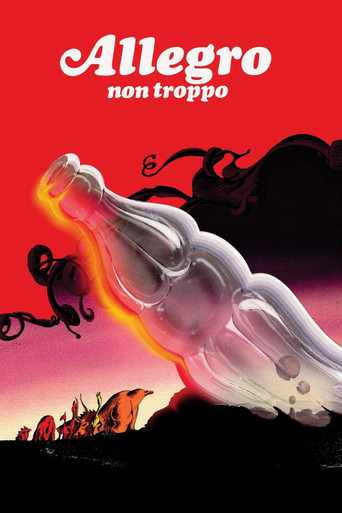
Allegro non troppo
1976
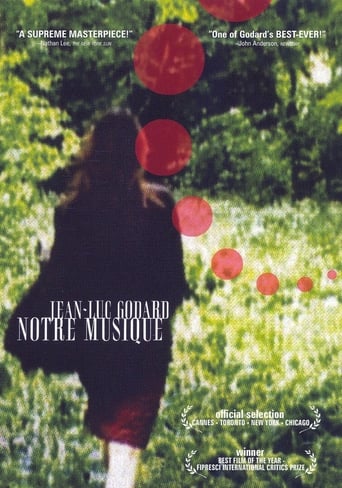
Notre Musique
2004
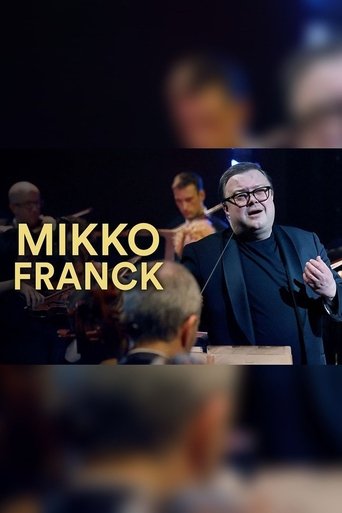
Mikko Franck @ Festival d'Aix-en-Provence 2025
2025

Origins @ La Folle Journée de Nantes 2024
2024
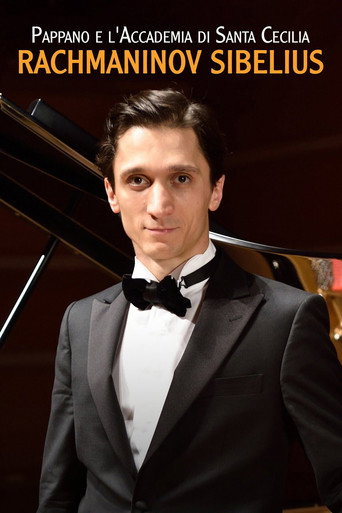
Pappano e l'Accademia di Santa Cecilia: Rachmaninov-Sibelius
2018

Toscanini: The Television Concerts, Vol. 8: Franck, Sibelius, Debussy and Rossini
1952

Through Icy Haze
1965

Teresa
1961
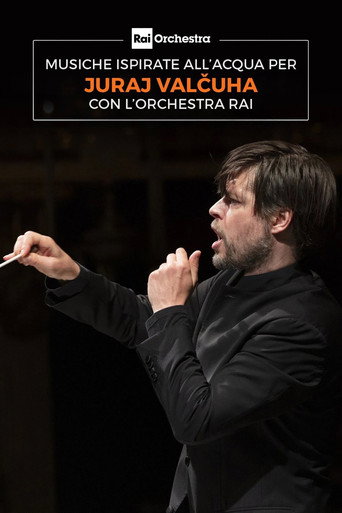
OSN: musiche ispirate all'acqua per Juraj Valčuha con l'Orchestra Rai
2022
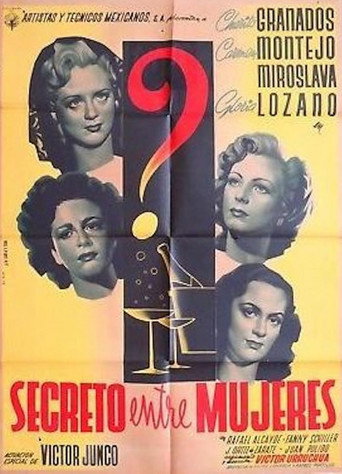
Secreto entre mujeres
1949
