
Giovanni Verga
- Known for
- Writing
- Born
- September 2, 1840
- Died
- January 27, 1922
- Birthplace
- Catania, Italy
Giovanni Carmelo Verga (1840–1922) was an Italian realist (verista) writer, best known for his depictions of life in his native Sicily, especially the short story (and later play) Cavalleria rusticana and the novel often considered his masterpiece, I Malavoglia (The House by the Medlar Tree). Starting with historical and patriotic novels, Verga went on to write novels in which psychological observation was combined with romantic elements, as in Eva (1873), Tigre reale (1873; “Royal Tigress”), and Eros (1875). These sentimental works were later referred to by Verga as novels “of elegance and adultery.” Eventually he developed the powers that made him prominent among the European novelists of the late 19th century, and within a few years he produced his masterpieces: the short stories of Vita dei campi (1880; “Life in the Fields”) and Novelle rusticane (1883; Little Novels of Sicily), the great novels I malavoglia (1881) and Mastro-don Gesualdo (1889), and Cavalleria rusticana (1884), a play rewritten from a short story, which became immensely popular as an opera (1890) by Pietro Mascagni. His reputation was slow to develop, but modern critics have assessed him as one of the greatest of all Italian novelists. His influence was particularly marked on the post-World War II generation of Italian authors; a landmark film of the Neorealist cinema movement, Luchino Visconti’s Terra trema (1948; The Earth Trembles), was based on I malavoglia.Read moreHide biography
Giovanni Carmelo Verga (1840–1922) was an Italian realist (verista) writer, best known for his depictions of life in his native Sicily, especially the short story (and later play) Cavalleria rusticana and the novel often considered his masterpiece, I Malavoglia (The House by the Medlar Tree). Starting with historical and patriotic novels, Verga went on to write novels in which psychological observation was combined with romantic elements, as in Eva (1873), Tigre reale (1873; “Royal Tigress”), and Eros (1875). These sentimental works were later referred to by Verga as novels “of elegance and adultery.” Eventually he developed the powers that made him prominent among the European novelists of the late 19th century, and within a few years he produced his masterpieces: the short stories of Vita dei campi (1880; “Life in the Fields”) and Novelle rusticane (1883; Little Novels of Sicily), the great novels I malavoglia (1881) and Mastro-don Gesualdo (1889), and Cavalleria rusticana (1884), a play rewritten from a short story, which became immensely popular as an opera (1890) by Pietro Mascagni. His reputation was slow to develop, but modern critics have assessed him as one of the greatest of all Italian novelists. His influence was particularly marked on the post-World War II generation of Italian authors; a landmark film of the Neorealist cinema movement, Luchino Visconti’s Terra trema (1948; The Earth Trembles), was based on I malavoglia.
Known for
Credits

Cavalleria Rusticana / Pagliacci
Movie2015TMDB 6.5
Original Story

The Metropolitan Opera: Cavalleria Rusticana & Pagliacci
Movie2015TMDB 6.3
Original Story

The House by the Medlar Tree
Movie2011TMDB 2.5
Story
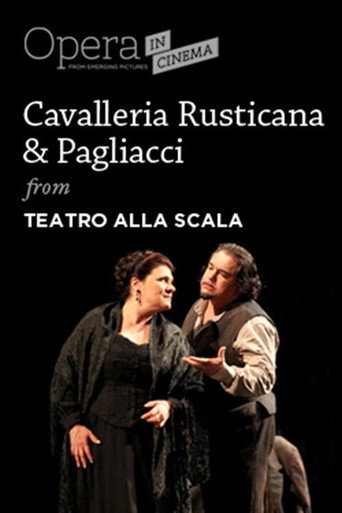
Cavalleria rusticana / Pagliacci - Teatro alla Scala
Movie2011TMDB 7.0
Original Story

Cavalleria Rusticana
Movie2002
Writer

La lupa
Movie1996TMDB 5.4
Novel

Sparrow
Movie1994TMDB 7.4
Novel
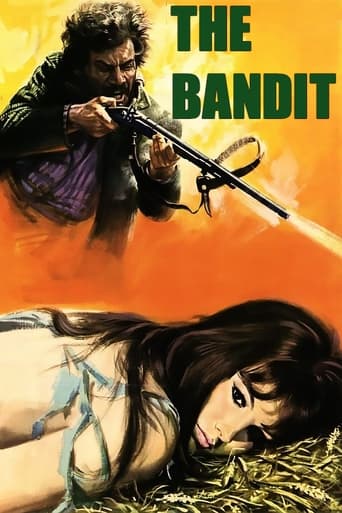
The Bandit
Movie1969TMDB 5.5
Novel

Mastro Don Gesualdo
TV1964TMDB 7.0
Novel · 6 eps

Fatal Desire
Movie1954TMDB 4.5
Short Story

The She-Wolf
Movie1953TMDB 6.4
Novel

La Terra Trema
Movie1949TMDB 7.8
Novel

Cavalleria rusticana
Movie1924TMDB 9.0
Writer
- Una peccatrice
Una peccatrice
Movie1918
Original Story
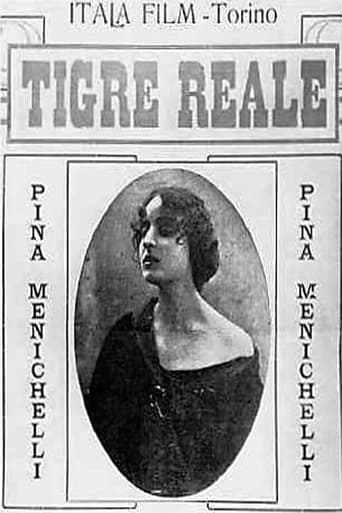
The Royal Tigress
Movie1916TMDB 5.6
Novel, Screenplay