
Hervé Vilard
- Known for
- Acting
- Born
- July 24, 1946
- Birthplace
- Paris, France
Hervé Vilard (born René Villard; 24 July 1946 in Paris, France) is a French pop–singer, who first became famous in the 1960s. His first single "Capri c'est fini" became an international hit in 1965 and rendered him instantaneously famous. The song sold 3.3 million copies. Nous (1979), Reviens (1981) and Méditerranéenne (1983) are among his other big hits. He is famous in Latin America, as he settled there between 1969 and 1978, singing in Spanish. His long national and international musical career as composer, singer, and stage performer spans four decades. In 1992, in recognition of his contributions to French culture, he was awarded the Ordre national du Mérite in a ceremony at the Parisian Théâtre des Variétés hosted by Jean-Paul Belmondo. René Vilard was born 24 July 1946 in a taxi which was transferring his mother Blanche to the Saint-Antoine hospital in Paris to deliver. He never met his father who left home soon after the birth of his son. His mother eventually lost custody of her children and young René was sent to an orphanage in Paris. Later he was transferred to the Berry region of France into the custody of various foster homes. Young René became a runaway during that period of his life. Eventually he was moved to the Cher region of France where he met a priest, Father Angrand, who became his mentor and taught him literature and music. In 1991 Vilard bought the monastery at La Celette, where he met Father Angrand and made it his home. Eventually young René left La Celette for Paris where he met Daniel Cordier, a former member of the French Resistance and Art dealer who later adopted him in 1962. This enabled teenager Vilard to finally remove himself from the state child care system. He started working at various places in Paris including a record store at Champs-Élysées. René wanted to further cultivate his musical talents and started taking singing lessons. During this time he was discovered by an executive working for Mercury Records. The meeting with the executive from Mercury Records led to a meteoric rise in his musical career. His first single Capri c'est fini was released in June 1965 under the Mercury label and instantly became a hit both in France and abroad selling 3.3 million copies and making Hervé Vilard a household name overnight. Capri c'est fini was co-written with Marcel Hurten, and has been described as "eternal" and "written with intensity by Vilard". Following the success of Capri c'est fini, French newsmagazine France Dimanche offered the singer a deal under which the magazine would help him find his mother. In return, Hervé Vilard gave the magazine exclusive rights to the interviews and the press coverage that would follow a successful reunion. After Vilard accepted the offer, France Dimanche launched a publicity campaign which eventually resulted in Vilard reuniting with his mother. At the same time, the sales of France Dimanche increased substantially. His mother died in 1981. ... Source: Article "Hervé Vilard" from Wikipedia in English, licensed under CC-BY-SA.Read moreHide biography
Hervé Vilard (born René Villard; 24 July 1946 in Paris, France) is a French pop–singer, who first became famous in the 1960s. His first single "Capri c'est fini" became an international hit in 1965 and rendered him instantaneously famous. The song sold 3.3 million copies. Nous (1979), Reviens (1981) and Méditerranéenne (1983) are among his other big hits. He is famous in Latin America, as he settled there between 1969 and 1978, singing in Spanish. His long national and international musical career as composer, singer, and stage performer spans four decades. In 1992, in recognition of his contributions to French culture, he was awarded the Ordre national du Mérite in a ceremony at the Parisian Théâtre des Variétés hosted by Jean-Paul Belmondo. René Vilard was born 24 July 1946 in a taxi which was transferring his mother Blanche to the Saint-Antoine hospital in Paris to deliver. He never met his father who left home soon after the birth of his son. His mother eventually lost custody of her children and young René was sent to an orphanage in Paris. Later he was transferred to the Berry region of France into the custody of various foster homes. Young René became a runaway during that period of his life. Eventually he was moved to the Cher region of France where he met a priest, Father Angrand, who became his mentor and taught him literature and music. In 1991 Vilard bought the monastery at La Celette, where he met Father Angrand and made it his home. Eventually young René left La Celette for Paris where he met Daniel Cordier, a former member of the French Resistance and Art dealer who later adopted him in 1962. This enabled teenager Vilard to finally remove himself from the state child care system. He started working at various places in Paris including a record store at Champs-Élysées. René wanted to further cultivate his musical talents and started taking singing lessons. During this time he was discovered by an executive working for Mercury Records. The meeting with the executive from Mercury Records led to a meteoric rise in his musical career. His first single Capri c'est fini was released in June 1965 under the Mercury label and instantly became a hit both in France and abroad selling 3.3 million copies and making Hervé Vilard a household name overnight. Capri c'est fini was co-written with Marcel Hurten, and has been described as "eternal" and "written with intensity by Vilard". Following the success of Capri c'est fini, French newsmagazine France Dimanche offered the singer a deal under which the magazine would help him find his mother. In return, Hervé Vilard gave the magazine exclusive rights to the interviews and the press coverage that would follow a successful reunion. After Vilard accepted the offer, France Dimanche launched a publicity campaign which eventually resulted in Vilard reuniting with his mother. At the same time, the sales of France Dimanche increased substantially. His mother died in 1981. ... Source: Article "Hervé Vilard" from Wikipedia in English, licensed under CC-BY-SA.
Known for
Credits

15 Ways to Kill Your Neighbour
Movie2022TMDB 5.2
Hervé Vilard
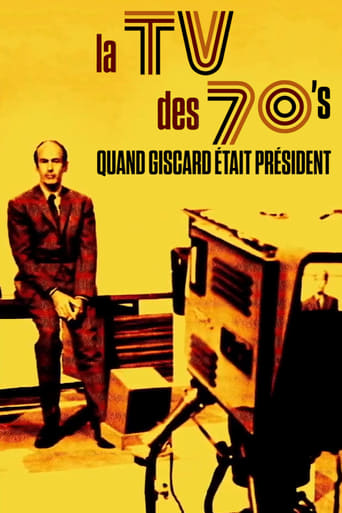
La TV des 70's : Quand Giscard était président
Movie2022TMDB 7.2
Self (archive footage)
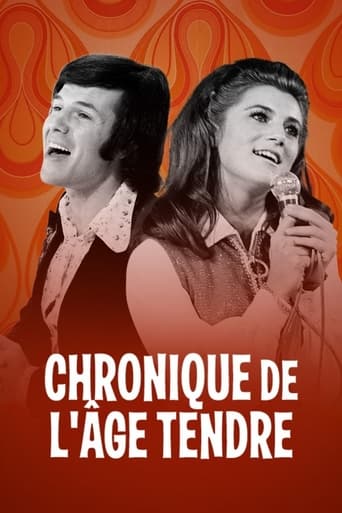
Chroniques de l'âge tendre
Movie2021TMDB 8.0
Self

Open Bar
TV2014TMDB 10.0
Self · 1 ep

C à vous
TV2009TMDB 6.1
Self - Guest · 1 ep

Hervé Vilard : Olympia 1982
Movie2006
Self
Star Academy
TV2001TMDB 5.7
Self · 1 ep

Vivement dimanche
TV1998TMDB 3.6
Self · 1 ep

Siempre lunes
TV1988
Self - Guest · 1 ep

Le monde est à vous
TV1987
Self · 5 eps

Sacrée soirée
TV1987TMDB 5.7
Self · 9 eps
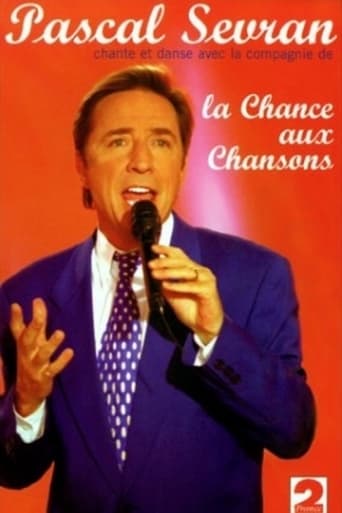
La Chance aux chansons
TV1984TMDB 6.5
Self · 8 eps

Champs-Elysées
TV1982TMDB 6.8
Self · 9 eps

Fan School
TV1977TMDB 7.2
Self · 13 eps
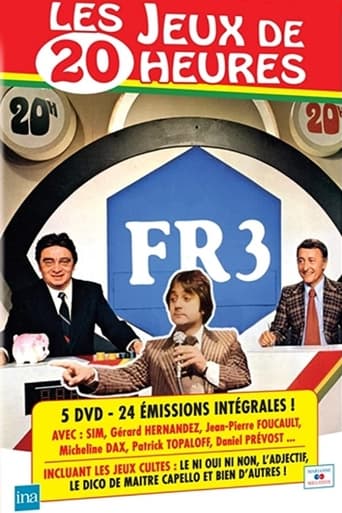
Les Jeux de 20 heures
TV1976TMDB 7.0
Self · 1 ep

30 millions d'amis
TV1976TMDB 6.2
Self · 1 ep
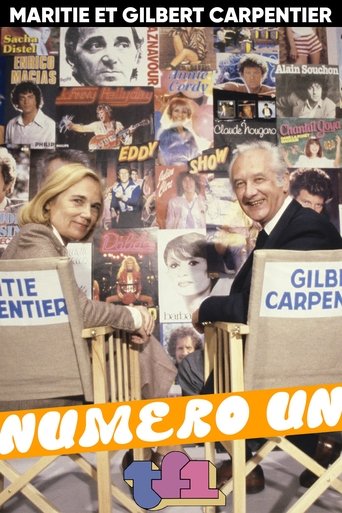
Numéro un
TV1975TMDB 7.5
Self · 2 eps
- Système 2
Système 2
TV1975
Self · 3 eps

Les Rendez-vous du dimanche
TV1975TMDB 6.0
Self · 7 eps

Midi Première
TV1975TMDB 9.0
Self · 4 eps
Midi trente
TV1972TMDB 6.0
Self · 4 eps
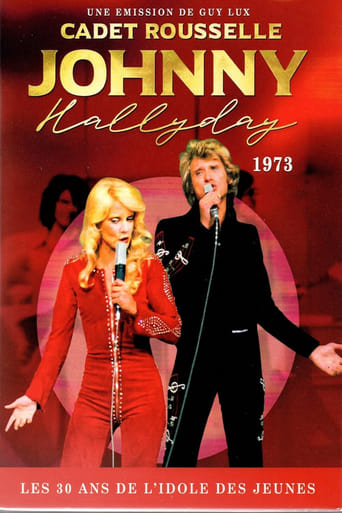
Cadet Rousselle
TV1971
Self · 3 eps

Love in the Night
Movie1968TMDB 6.0
Hervé Vilard (uncredited)