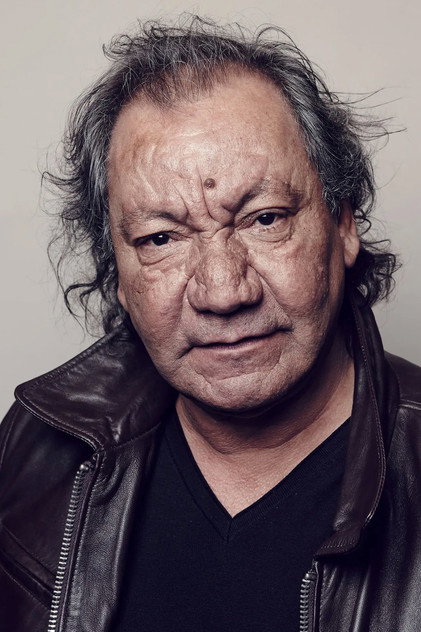
Tony Gatlif
- Known for
- Directing
- Born
- September 10, 1948
- Died
- September 3, 2026
- Birthplace
- Algiers, Algeria
Tony Gatlif—born Boualem Michel Dahmani (Arabic: بوعلام دحماني)—was a French director, screenwriter, composer, actor, and producer, born on September 10, 1948, in Algiers, and who died on September 2, 2026, in Arles. Tony Gatlif was born in the suburbs of Algiers during the French colonial era into a modest family of diverse origins: his father was Kabyle, and his mother was a Gypsy of Andalusian descent. He spent his childhood in a shantytown, living life on the streets interspersed with sporadic schooling; it was there that he discovered cinema thanks to a teacher who screened films on a stretched sheet—a formative experience that captivated him and shaped his vocation. At the age of twelve, he left home, settled in Algiers, and worked as a shoeshine boy. In the early 1960s, against the backdrop of the Algerian War and the country's independence, he moved to France, living initially in shantytowns before spending time in juvenile detention centers and hostels for young workers. His adolescence was marked by delinquency and a wandering existence between Marseille and Paris, until a pivotal 1966 encounter with actor Michel Simon encouraged him to take drama classes and pursue a career in theater. It was also during this period—following a police check—that he adopted the name Tony Gatlif, borrowing it from a public square in Algiers, while retaining his true identity as Boualem Michel Dahmani. After acting in several plays and directing short films starting in 1973, Tony Gatlif made his feature film debut in 1975 with *La Tête en ruine*, followed in 1979 by *La Terre au ventre*, a film depicting the Algerian War from the perspective of a *Pied-Noir* family. The 1980s and 1990s saw the emergence of his distinctive style with films such as *Les Princes* (1983)—a portrait of settled Roma people in the Paris suburbs—and *Latcho Drom* (1993), a musical and visual epic about the Roma diaspora across Europe that brought him international acclaim. He continued in this vein with *Gadjo Dilo* (1997), directing Romain Duris as a young Parisian immersed in a Roma camp, followed by *Vengo* (2000) and, notably, *Exils* (2004)—a coming-of-age road movie spanning France and Algeria that marked his reconnection with his homeland. Throughout his career, he also composed the music for his films—blending Roma, Mediterranean, and electronic influences—and produced several of his own works. Tony Gatlif received numerous accolades for his work, including the Best Director award at the 2004 Cannes Film Festival for *Exils*, a major honor that cemented his status as a filmmaker of international stature. His film *Latcho Drom* also won awards at several festivals and became a benchmark in musical documentary cinema, while *Gadjo Dilo* achieved widespread critical and commercial success. He was frequently selected for the Cannes festival—notably with *Geronimo* in 2014—and was honored throughout his career for his unique voice celebrating Roma culture, life on the margins, and the quest for freedom. Tony Gatlif died on September 2, 2026, in Arles (Bouches-du-Rhône) at the age of 77, following health complications, while working on a new historical film project.Read moreHide biography
Tony Gatlif—born Boualem Michel Dahmani (Arabic: بوعلام دحماني)—was a French director, screenwriter, composer, actor, and producer, born on September 10, 1948, in Algiers, and who died on September 2, 2026, in Arles. Tony Gatlif was born in the suburbs of Algiers during the French colonial era into a modest family of diverse origins: his father was Kabyle, and his mother was a Gypsy of Andalusian descent. He spent his childhood in a shantytown, living life on the streets interspersed with sporadic schooling; it was there that he discovered cinema thanks to a teacher who screened films on a stretched sheet—a formative experience that captivated him and shaped his vocation. At the age of twelve, he left home, settled in Algiers, and worked as a shoeshine boy. In the early 1960s, against the backdrop of the Algerian War and the country's independence, he moved to France, living initially in shantytowns before spending time in juvenile detention centers and hostels for young workers. His adolescence was marked by delinquency and a wandering existence between Marseille and Paris, until a pivotal 1966 encounter with actor Michel Simon encouraged him to take drama classes and pursue a career in theater. It was also during this period—following a police check—that he adopted the name Tony Gatlif, borrowing it from a public square in Algiers, while retaining his true identity as Boualem Michel Dahmani. After acting in several plays and directing short films starting in 1973, Tony Gatlif made his feature film debut in 1975 with *La Tête en ruine*, followed in 1979 by *La Terre au ventre*, a film depicting the Algerian War from the perspective of a *Pied-Noir* family. The 1980s and 1990s saw the emergence of his distinctive style with films such as *Les Princes* (1983)—a portrait of settled Roma people in the Paris suburbs—and *Latcho Drom* (1993), a musical and visual epic about the Roma diaspora across Europe that brought him international acclaim. He continued in this vein with *Gadjo Dilo* (1997), directing Romain Duris as a young Parisian immersed in a Roma camp, followed by *Vengo* (2000) and, notably, *Exils* (2004)—a coming-of-age road movie spanning France and Algeria that marked his reconnection with his homeland. Throughout his career, he also composed the music for his films—blending Roma, Mediterranean, and electronic influences—and produced several of his own works. Tony Gatlif received numerous accolades for his work, including the Best Director award at the 2004 Cannes Film Festival for *Exils*, a major honor that cemented his status as a filmmaker of international stature. His film *Latcho Drom* also won awards at several festivals and became a benchmark in musical documentary cinema, while *Gadjo Dilo* achieved widespread critical and commercial success. He was frequently selected for the Cannes festival—notably with *Geronimo* in 2014—and was honored throughout his career for his unique voice celebrating Roma culture, life on the margins, and the quest for freedom. Tony Gatlif died on September 2, 2026, in Arles (Bouches-du-Rhône) at the age of 77, following health complications, while working on a new historical film project.
Known for

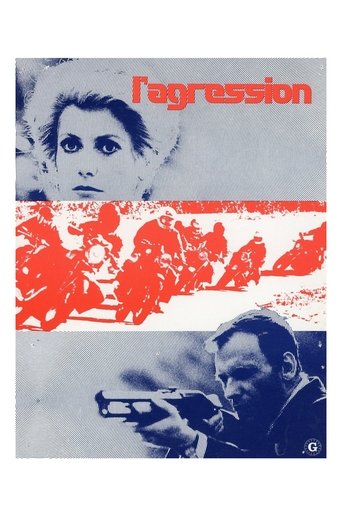
Credits

Ange
Movie2025TMDB 5.5
Director

Tom Medina
Movie2021TMDB 5.5
Director
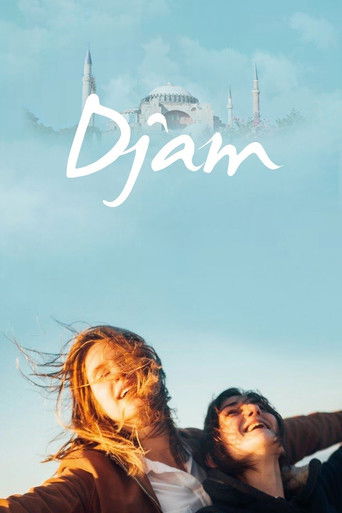
Journey from Greece
Movie2017TMDB 6.2
Director

Geronimo
Movie2014TMDB 6.5
Director

The Outraged
Movie2012TMDB 5.2
Director

Time for Outrage!
Movie2012
Director

Freedom
Movie2009TMDB 6.5
Director

Transylvania
Movie2006TMDB 5.6
Director

Exiles
Movie2004TMDB 6.1
Director
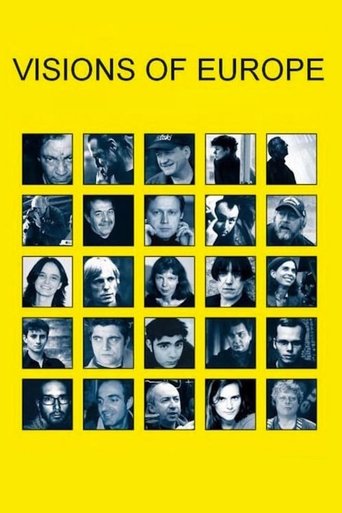
Visions of Europe
Movie2004TMDB 5.2
Director
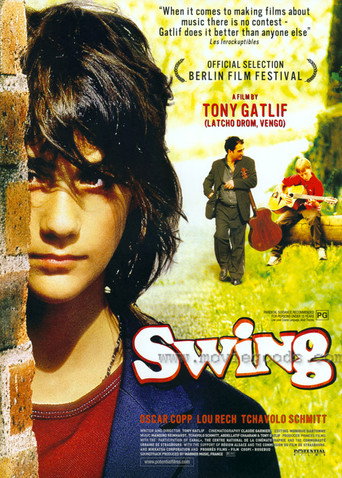
Swing
Movie2002TMDB 7.2
Director

I Come
Movie2000TMDB 6.9
Director

Children of the Stork
Movie1999TMDB 6.6
Director

The Crazy Stranger
Movie1998TMDB 7.4
Director

Mondo
Movie1995TMDB 6.9
Director

Lucumi, l'enfant rumbeiro de Cuba
Movie1995TMDB 7.0
Director

Safe Journey
Movie1993TMDB 7.8
Director

Gaspard and Robinson
Movie1990TMDB 6.8
Director

Pleure Pas My Love
Movie1989TMDB 7.0
Director

The Way Out
Movie1986TMDB 6.5
Director

Les Princes
Movie1983TMDB 7.1
Director

Corre, gitano
Movie1982TMDB 5.0
Director

Canta Gitano
Movie1982TMDB 6.0
Director

The Belly of the Earth
Movie1979TMDB 9.0
Director
- La tête en ruines
La tête en ruines
Movie1975TMDB 8.0
Director
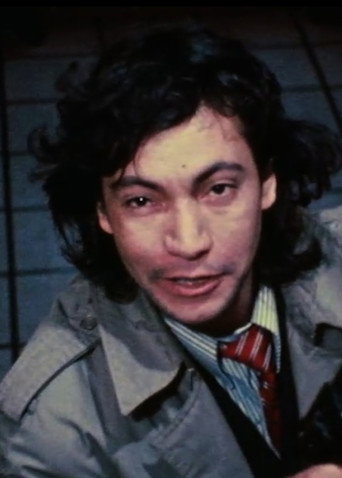
Max l'indien
Movie1973
Director