
Antonio Ghislanzoni
- Known for
- Writing
- Born
- October 25, 1824
- Died
- July 16, 1893
- Birthplace
- Lecco, Italy
From Wikipedia, the free encyclopedia - https://en.wikipedia.org/wiki/Antonio_Ghislanzoni. Antonio Ghislanzoni (25 November 1824 – 16 July 1893) was an Italian journalist, poet, and novelist who wrote librettos for Verdi, among other composers, of which the best known are Aida and the revised version of La forza del destino. Ghislanzoni was born in Lecco, Lombardy, and studied briefly in a seminary, but was expelled for bad conduct in 1841. He then decided to study medicine in Pavia, but abandoned this after a short time to pursue a singing career as a baritone and to cultivate his literary interests. In 1848, stimulated by the nationalist ideas of Mazzini, Ghislanzoni founded several republican newspapers in Milan but eventually had to take refuge in Switzerland. While travelling to Rome, where he wanted to help defend the nascent republic, Ghislanzoni was arrested by the French and briefly detained in Corsica. In the mid-1850s, having forsaken the stage, Ghislanzoni became active in journalism in the bohemian circles of Milan, serving as director of Italia musicale and editor of the Gazzetta musicale di Milano. He also founded L'uomo di pietra the magazine Rivista minima, collaborating with, among others, Arrigo Boito. In 1869, Ghislanzoni retired from journalism and returned to his native Lombardy, where he dedicated himself to literature and writing libretti for operas. He wrote many short stories in verse and diverse novels including Un suicidio a fior d'acqua (1864), Angioli nelle tenebre (1865), La contessa di Karolystria (1883), Abracadabra and Storia dell'avvenire (1884). His novel of theatrical life Gli artisti da teatro, (1865), was republished into the 20th century. He also published musical essays, the most important being Reminiscenze artistiche. Ghislanzoni wrote some eighty-five libretti, including Edmea for Catalani (1866), Aida (1870), Fosca (1873) and Salvator Rosa (1874) for Gomes, I Lituani for Ponchielli (1874) and the second version of La forza del destino (1869). He also contributed a few verses to the revised translation into Italian of Verdi's Don Carlos. Ghislanzoni died in Caprino Bergamasco, Bergamo in 1893 at age 69. He was an atheist.Read moreHide biography
From Wikipedia, the free encyclopedia - https://en.wikipedia.org/wiki/Antonio_Ghislanzoni. Antonio Ghislanzoni (25 November 1824 – 16 July 1893) was an Italian journalist, poet, and novelist who wrote librettos for Verdi, among other composers, of which the best known are Aida and the revised version of La forza del destino. Ghislanzoni was born in Lecco, Lombardy, and studied briefly in a seminary, but was expelled for bad conduct in 1841. He then decided to study medicine in Pavia, but abandoned this after a short time to pursue a singing career as a baritone and to cultivate his literary interests. In 1848, stimulated by the nationalist ideas of Mazzini, Ghislanzoni founded several republican newspapers in Milan but eventually had to take refuge in Switzerland. While travelling to Rome, where he wanted to help defend the nascent republic, Ghislanzoni was arrested by the French and briefly detained in Corsica. In the mid-1850s, having forsaken the stage, Ghislanzoni became active in journalism in the bohemian circles of Milan, serving as director of Italia musicale and editor of the Gazzetta musicale di Milano. He also founded L'uomo di pietra the magazine Rivista minima, collaborating with, among others, Arrigo Boito. In 1869, Ghislanzoni retired from journalism and returned to his native Lombardy, where he dedicated himself to literature and writing libretti for operas. He wrote many short stories in verse and diverse novels including Un suicidio a fior d'acqua (1864), Angioli nelle tenebre (1865), La contessa di Karolystria (1883), Abracadabra and Storia dell'avvenire (1884). His novel of theatrical life Gli artisti da teatro, (1865), was republished into the 20th century. He also published musical essays, the most important being Reminiscenze artistiche. Ghislanzoni wrote some eighty-five libretti, including Edmea for Catalani (1866), Aida (1870), Fosca (1873) and Salvator Rosa (1874) for Gomes, I Lituani for Ponchielli (1874) and the second version of La forza del destino (1869). He also contributed a few verses to the revised translation into Italian of Verdi's Don Carlos. Ghislanzoni died in Caprino Bergamasco, Bergamo in 1893 at age 69. He was an atheist.
Known for
Credits

Giuseppe Verdi: Aida
Movie2021
Writer
Aida: Grand Théâtre de Genève
Movie2019
Writer

The Metropolitan Opera: Aida
Movie2018TMDB 9.0
Writer
Aida
Movie2015
Opera

Verdi Aida
Movie2015
Writer
- Aida
Aida
Movie2015
Writer
Aida - Arena di Verona
Movie2013TMDB 7.0
Writer
Verdi: Don Carlo - Royal Theater Turin
Movie2013
Writer
- Verdi: Aida - Arena di Verona 2013
Verdi: Aida - Arena di Verona 2013
Movie2013TMDB 6.0
Writer
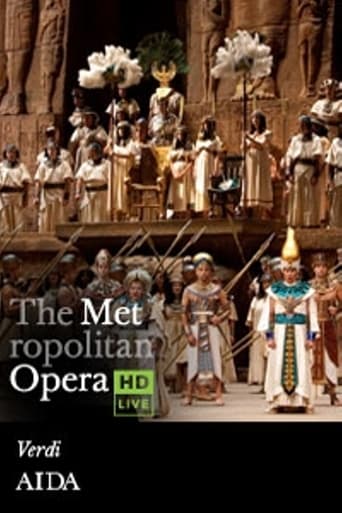
The Metropolitan Opera: Aida
Movie2012TMDB 8.0
Writer

Verdi: Aida
Movie2012
Writer
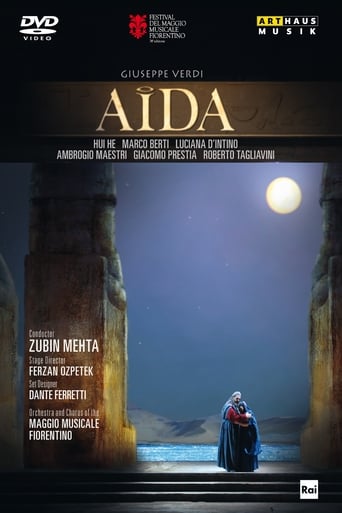
Aida
Movie2012
Writer
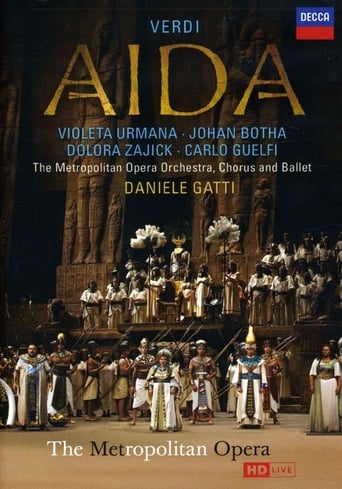
Verdi: Aida
Movie2009
Writer

Verdi: Aida
Movie2006TMDB 6.0
Writer

Aida
Movie2006
Writer
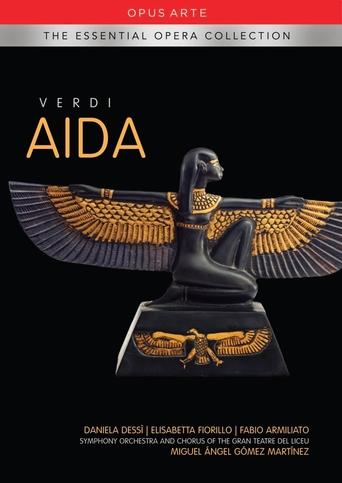
Aida
Movie2003
Writer
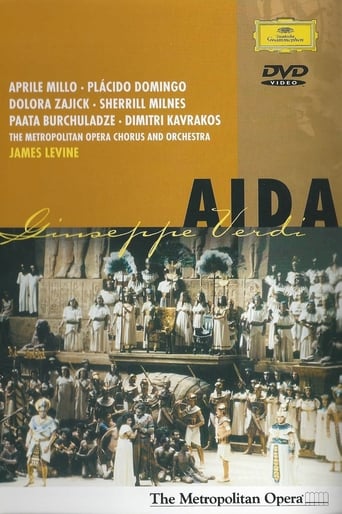
Aida
Movie1989TMDB 6.4
Writer
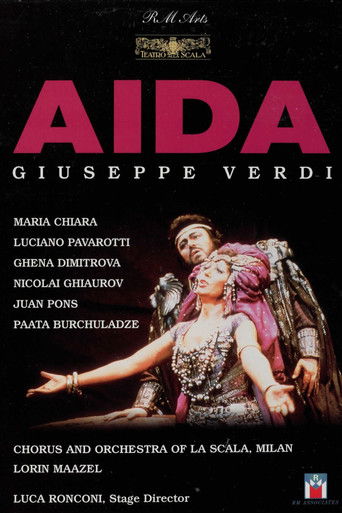
Aida
Movie1985TMDB 6.7
Writer
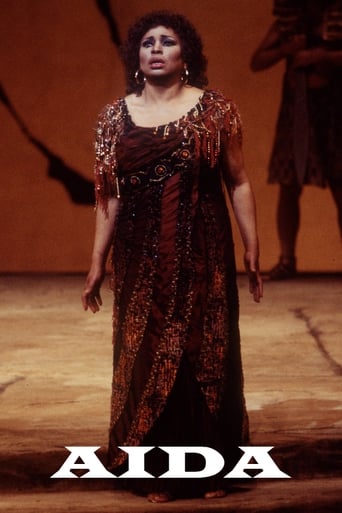
Aida
Movie1985TMDB 7.0
Writer
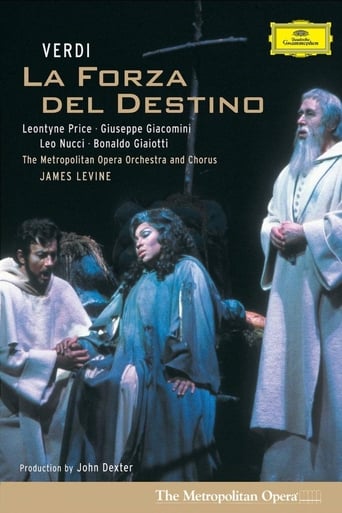
La Forza del Destino - Metropolitan Opera
Movie1984TMDB 9.0
Writer
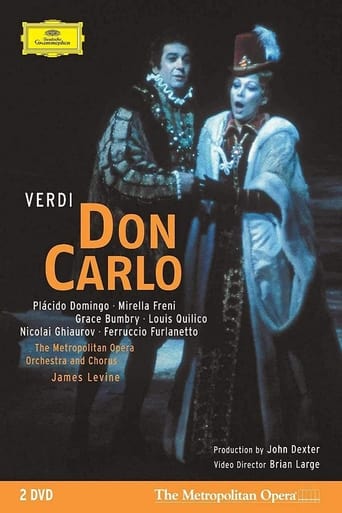
Don Carlo
Movie1983TMDB 8.0
Writer
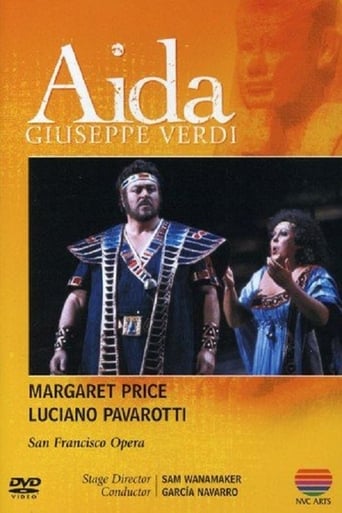
Aida - San Francisco Opera
Movie1981TMDB 8.0
Writer

Aida
Movie1981TMDB 8.5
Writer
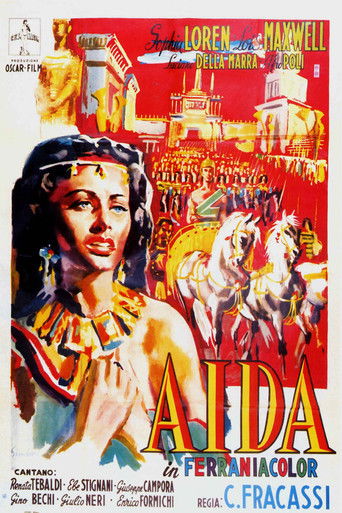
Aida
Movie1953TMDB 5.4
Writer