
Maurice Elvey
- Known for
- Directing
- Born
- November 11, 1887
- Died
- August 28, 1967
- Birthplace
- Stockton-on-Tees, England, UK
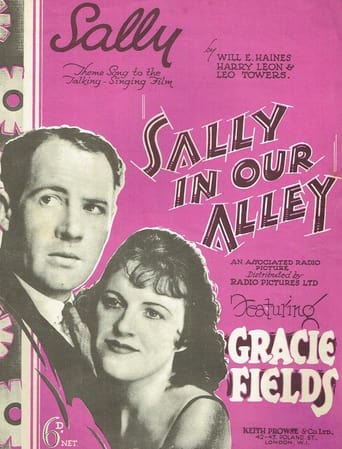
Maurice Elvey was born in Stockton-on-Tees, County Durham, England, the oldest son of William Clarence Folkard, an inspecting engineer, and Sarah Anna Seward Folkard (formerly Pearce). He never had a formal education, and was working on the streets of London by the age of nine after having run away from home. For a time he worked as a page boy in the Hyde Park Hotel, and a lucky encounter with a wealthy American set him on the road to a career in first the theatre and then in films. It was while in New York when working as a stage producer that he saw his first film, The Flying Dutchman (1923). This made such an impression on him that when he came back to England he was determined to produce and direct films; thus began a career spanning 44 years, during which time he made over 300 feature films and innumerable shorts. Amongst the "firsts" that Maurice Elvey can claim as a director are: Gaumont's first talking film (High Treason (1929)) and the first British colour film Sons of the Sea (1939)). Carol Reed and David Lean began their distinguished careers in film by working for him, and he directed Gracie Fields in her first movie, Sally in Our Alley (1931). Maurice Elvey was the older brother of Fred V. Merrick, and during the 1920s and 1930s they worked on a number of films together. In May 1996 the world premiere of a long-lost film about David Lloyd George, directed by Elvey, took place in Cardiff more than 70 years later than scheduled. The three-hour film was suppressed on the eve of its release under circumstances that have still not been fully explained. The film was acclaimed by cinema historians as a milestone in film making, and it is believed that had it been released in 1918, as originally planned, it may well have changed the course of British cinema. Maurice Elvey was married three times. His first marriage took place on 31st December 1910 to Adeline Maud Charlton Preston (aka actress 'Philippa Preston'. This marriage ended in divorce. He then married Florence Hill Clarke (a sculptor) on 2nd February 1916. This marriage, too, ended in divorce. On 13th January 1923 he married Isabella Reed (aka actress Isobel Elsom), but this marriage also ended in divorce. As Elvey's niece and god-daughter I was privileged to unveil a plaque in April 1997 at the Green Dragon Museum, Stockton-on-Tees as part of the Centenary of Cinema Celebrations.Read moreHide biography
Maurice Elvey was born in Stockton-on-Tees, County Durham, England, the oldest son of William Clarence Folkard, an inspecting engineer, and Sarah Anna Seward Folkard (formerly Pearce). He never had a formal education, and was working on the streets of London by the age of nine after having run away from home. For a time he worked as a page boy in the Hyde Park Hotel, and a lucky encounter with a wealthy American set him on the road to a career in first the theatre and then in films. It was while in New York when working as a stage producer that he saw his first film, The Flying Dutchman (1923). This made such an impression on him that when he came back to England he was determined to produce and direct films; thus began a career spanning 44 years, during which time he made over 300 feature films and innumerable shorts. Amongst the "firsts" that Maurice Elvey can claim as a director are: Gaumont's first talking film (High Treason (1929)) and the first British colour film Sons of the Sea (1939)). Carol Reed and David Lean began their distinguished careers in film by working for him, and he directed Gracie Fields in her first movie, Sally in Our Alley (1931). Maurice Elvey was the older brother of Fred V. Merrick, and during the 1920s and 1930s they worked on a number of films together. In May 1996 the world premiere of a long-lost film about David Lloyd George, directed by Elvey, took place in Cardiff more than 70 years later than scheduled. The three-hour film was suppressed on the eve of its release under circumstances that have still not been fully explained. The film was acclaimed by cinema historians as a milestone in film making, and it is believed that had it been released in 1918, as originally planned, it may well have changed the course of British cinema. Maurice Elvey was married three times. His first marriage took place on 31st December 1910 to Adeline Maud Charlton Preston (aka actress 'Philippa Preston'. This marriage ended in divorce. He then married Florence Hill Clarke (a sculptor) on 2nd February 1916. This marriage, too, ended in divorce. On 13th January 1923 he married Isabella Reed (aka actress Isobel Elsom), but this marriage also ended in divorce. As Elvey's niece and god-daughter I was privileged to unveil a plaque in April 1997 at the Green Dragon Museum, Stockton-on-Tees as part of the Centenary of Cinema Celebrations.
Known for






Credits

Beware of Pity
Movie1946TMDB 6.7
Producer

Medal for the General
Movie1944TMDB 7.7
Associate Producer
- Sword of Honour
Sword of Honour
Movie1939TMDB 9.0
Producer

The School for Scandal
Movie1930TMDB 8.0
Producer

A Sister to Assist 'Er
Movie1930TMDB 7.0
Producer

Palais De Danse
Movie1928TMDB 10.0
Producer
- Sailors Don't Care
Sailors Don't Care
Movie1928TMDB 9.0
Producer
- The Arcadians
The Arcadians
Movie1927TMDB 9.0
Producer
- A Woman in Pawn
A Woman in Pawn
Movie1927TMDB 8.0
Producer

Hindle Wakes
Movie1927TMDB 7.1
Producer
- A Sister to Assist 'Er
A Sister to Assist 'Er
Movie1927TMDB 10.0
Producer

The Glad Eye
Movie1927TMDB 10.0
Producer

Roses of Picardy
Movie1927
Producer

Mademoiselle from Armentieres
Movie1927TMDB 9.0
Producer
- Darby and Joan
Darby and Joan
Movie1920TMDB 7.0
Producer
- Masks and Faces
Masks and Faces
Movie1917TMDB 4.5
Producer
- Dombey and Son
Dombey and Son
Movie1917
Producer

Her Greatest Performance
Movie1916TMDB 7.0
Producer