
Mikhail Kalatozov
- Known for
- Directing
- Born
- December 28, 1903
- Died
- March 27, 1973
- Birthplace
- Tiflis, Russian Empire [now Tbilisi, Republic of Georgia]
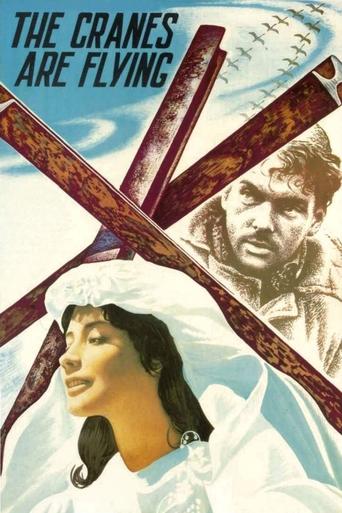
Mikhail Kalatozov (28 December 1903 – 27 March 1973; born Mikheil Kalatozishvili) was a Soviet film director of Georgian origin who contributed to both Georgian and Russian cinema film director best known for his films The Cranes Are Flying (1957) and Soy Cuba (1964). The former won the Palme d'Or at the 1958 Cannes Film Festival. In 1969, he received the People's Artist of the USSR accolade. Kalatozov studied economics and changed many professions before starting his career as an actor and later — as a cinematographer. He directed several documentaries, including Their Kingdom (1928, with Nutsa Gogoberidze, the first Georgian female director) and Salt for Svanetia (1930). In 1933, Kalatozov enrolled to the Russian State Institute of Performing Arts. Three years later, he oversaw Kartuli Pilmi, then he was suggested a place at the USSR State Committee for Cinematography. In 1939, he moved to Leningrad to work at Lenfilm as a director. During World War II, he made several propaganda films and worked as a cultural attaché at the Soviet embassy in the United States.Read moreHide biography
Mikhail Kalatozov (28 December 1903 – 27 March 1973; born Mikheil Kalatozishvili) was a Soviet film director of Georgian origin who contributed to both Georgian and Russian cinema film director best known for his films The Cranes Are Flying (1957) and Soy Cuba (1964). The former won the Palme d'Or at the 1958 Cannes Film Festival. In 1969, he received the People's Artist of the USSR accolade. Kalatozov studied economics and changed many professions before starting his career as an actor and later — as a cinematographer. He directed several documentaries, including Their Kingdom (1928, with Nutsa Gogoberidze, the first Georgian female director) and Salt for Svanetia (1930). In 1933, Kalatozov enrolled to the Russian State Institute of Performing Arts. Three years later, he oversaw Kartuli Pilmi, then he was suggested a place at the USSR State Committee for Cinematography. In 1939, he moved to Leningrad to work at Lenfilm as a director. During World War II, he made several propaganda films and worked as a cultural attaché at the Soviet embassy in the United States.
Known for





Credits
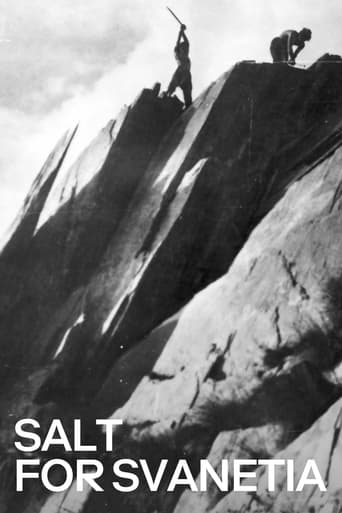
Salt for Svanetia
Movie1930TMDB 6.7
Director of Photography

Gypsy Blood
Movie1928TMDB 5.8
Director of Photography
- Afghan Khan in Tbilisi
Afghan Khan in Tbilisi
Movie1928
Director of Photography

Giuli
Movie1927TMDB 5.7
Camera Operator
- Horse Factory
Horse Factory
Movie1927TMDB 9.0
Director of Photography
- Opening of the First Turbine of Zahesi
Opening of the First Turbine of Zahesi
Movie1927TMDB 7.0
Director of Photography
- Locomotive No. 1006
Locomotive No. 1006
Movie1926TMDB 9.0
Cinematography