Julian Biggs
- Known for
- Production
- Born
- February 24, 1920
- Died
- December 4, 1972
- Birthplace
- Port Perry, Ontario, Canada
Julian Biggs (1920–1972) was a director and producer with the National Film Board of Canada and its first Director of English Production. Over the course of his 20-year career, he created 146 films, two of which (Herring Hunt (1953) and Paddle to the Sea (1966)) were nominated for Academy Awards. His film 23 Skidoo (1964) received two BAFTA nominations, including the BAFTA United Nations award. Biggs was born and raised in Port Perry, in southern Ontario. When World War II broke out in 1939, he joined the Canadian Army and then transferred to the Canadian Navy, where he spent the rest of the war serving on mine-sweepers. He then attended the University of Toronto and, in 1951, was hired as a production assistant by the National Film Board of Canada. He directed his first film, The Son, a year later. From 1956 to 1958, Biggs produced the Perspective series (paralleled by the similar series in French Passe-partout), which was 35 30-minute dramas with an emphasis on social themes such as alcoholism, drug addiction, adolescence, the elderly, racial problems etc. One such film, Monkey on the Back, directed by Biggs, was a bleak, tragic story of man's unsuccessful struggle to free himself from drug addiction. Similar to Robert Anderson's Drug Addict (1948), which had been banned in the U.S., it was the type of film that caused the NFB to reconsider its role in producing socially relevant films. There was an unwritten policy and priority to shift away from social realism to the 'art' of film.Read moreHide biography
Julian Biggs (1920–1972) was a director and producer with the National Film Board of Canada and its first Director of English Production. Over the course of his 20-year career, he created 146 films, two of which (Herring Hunt (1953) and Paddle to the Sea (1966)) were nominated for Academy Awards. His film 23 Skidoo (1964) received two BAFTA nominations, including the BAFTA United Nations award. Biggs was born and raised in Port Perry, in southern Ontario. When World War II broke out in 1939, he joined the Canadian Army and then transferred to the Canadian Navy, where he spent the rest of the war serving on mine-sweepers. He then attended the University of Toronto and, in 1951, was hired as a production assistant by the National Film Board of Canada. He directed his first film, The Son, a year later. From 1956 to 1958, Biggs produced the Perspective series (paralleled by the similar series in French Passe-partout), which was 35 30-minute dramas with an emphasis on social themes such as alcoholism, drug addiction, adolescence, the elderly, racial problems etc. One such film, Monkey on the Back, directed by Biggs, was a bleak, tragic story of man's unsuccessful struggle to free himself from drug addiction. Similar to Robert Anderson's Drug Addict (1948), which had been banned in the U.S., it was the type of film that caused the NFB to reconsider its role in producing socially relevant films. There was an unwritten policy and priority to shift away from social realism to the 'art' of film.
Known for
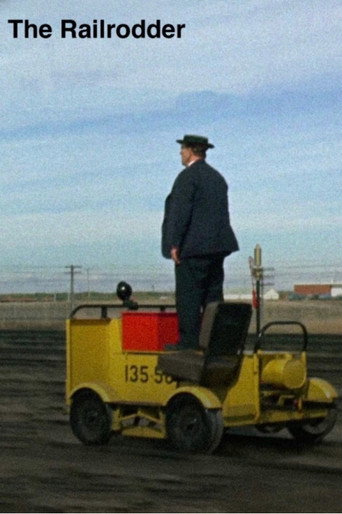
The Railrodder
1965

Buster Keaton Rides Again
1965
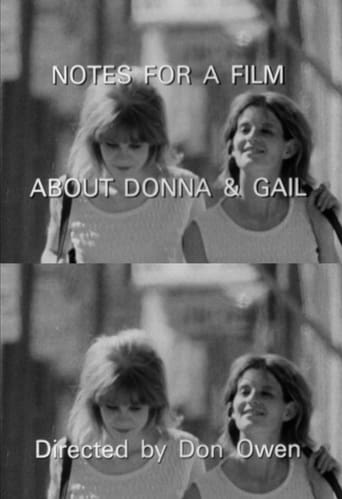
Notes for a Film About Donna & Gail
1966
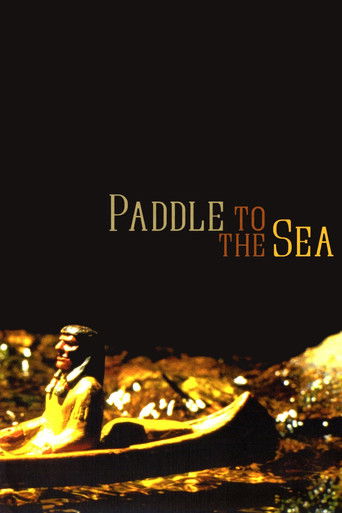
Paddle to the Sea
1966
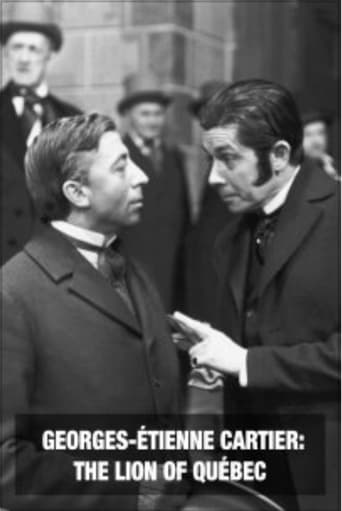
Georges-Étienne Cartier - The Lion of Québec
1962
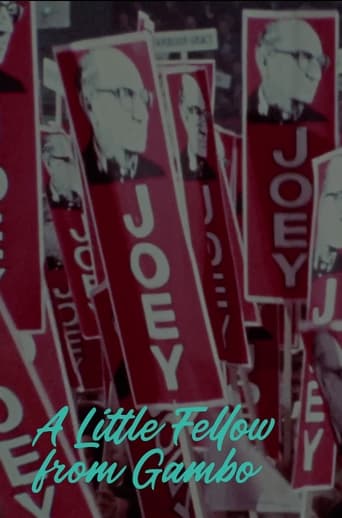
A Little Fellow from Gambo: The Joey Smallwood Story
1970
Fighter Wing
1956
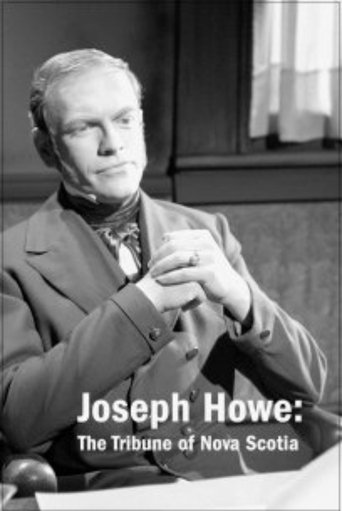
Joseph Howe: The Tribune of Nova Scotia
1961
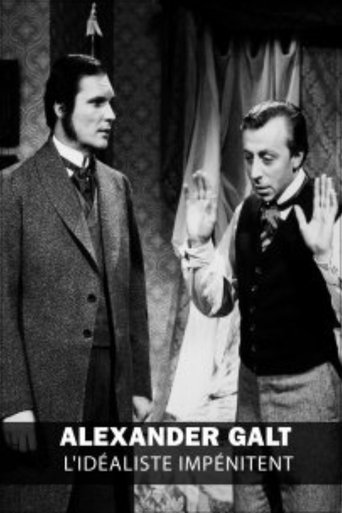
Alexander Galt: The Stubborn Idealist
1962
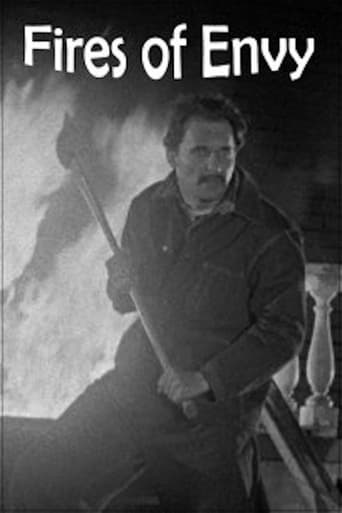
Fires of Envy
1957
