
Usmar Ismail
- Known for
- Directing
- Born
- March 20, 1921
- Died
- January 2, 1971
- Birthplace
- Fort de Kock, Dutch East Indies
Usmar Ismail (born March 20, 1921 - January 2, 1971) was an Indonesian film director, producer, and screenwriter. He is dubbed the godfather of Indonesian films. The date of Indonesia's National Film Day (March 30), is dated from the first day of shooting Darah dan Doa (1950), Ismail's third film. His talents further developed while working at Keimin Bunka Sidosho (the Japanese Cultural Center Headquarters). There, he collaborated with Armijn Pane and other cultural figures to stage theatrical performances. In 1943, he founded and became the chairman of the theater group Sandiwara Penggemar "Maya" along with Abu Hanifah, Rosihan Anwar, Cornel Simanjuntak, Sudjojono, H.B. Jassin, and others. After the proclamation of independence, Usmar served in the military and became actively involved in journalism in Jakarta. When the Dutch returned with Allied forces, he joined the Indonesian National Army (TNI) in Yogyakarta with the rank of major. Along with his colleagues Sjamsuddin Sutan Makmur and Rinto Alwi, they established a newspaper named Rakyat. In the field of editorial work and journalism, Usmar was one of the founders and editors of Harian Patriot, the editor of the monthly magazine Arena in Yogyakarta (1948), and Gelanggang in Jakarta (1966-1967). He also served as the chairman of the Indonesian Journalists Association (1946-1947). During his time as a journalist, Usmar was imprisoned by the Dutch for allegedly engaging in subversive activities. At the time, he was working as a political reporter at Kantor Berita Antara and was covering the Dutch-Indonesian negotiations in Jakarta. This incident occurred in 1948. In his later career, Usmar developed a more serious interest in filmmaking. He became actively involved in organizations related to theater and film. He served as chairman of the Yogyakarta Cultural Deliberation Body (1946-1948), chairman of the Yogyakarta Artists Theater Association (1946-1948), chairman of the Indonesian National Theater Academy in Jakarta (1955-1965), and chairman of the National Film Deliberation Body (BMPN). BMPN played a key role in urging the government to establish the "National Film Development Policy" in 1967. He was known as a co-founder of the Indonesian National Film Company with Djamaluddin Malik and other film entrepreneurs, eventually becoming its chairman from 1954 to 1965.Read moreHide biography
Usmar Ismail (born March 20, 1921 - January 2, 1971) was an Indonesian film director, producer, and screenwriter. He is dubbed the godfather of Indonesian films. The date of Indonesia's National Film Day (March 30), is dated from the first day of shooting Darah dan Doa (1950), Ismail's third film. His talents further developed while working at Keimin Bunka Sidosho (the Japanese Cultural Center Headquarters). There, he collaborated with Armijn Pane and other cultural figures to stage theatrical performances. In 1943, he founded and became the chairman of the theater group Sandiwara Penggemar "Maya" along with Abu Hanifah, Rosihan Anwar, Cornel Simanjuntak, Sudjojono, H.B. Jassin, and others. After the proclamation of independence, Usmar served in the military and became actively involved in journalism in Jakarta. When the Dutch returned with Allied forces, he joined the Indonesian National Army (TNI) in Yogyakarta with the rank of major. Along with his colleagues Sjamsuddin Sutan Makmur and Rinto Alwi, they established a newspaper named Rakyat. In the field of editorial work and journalism, Usmar was one of the founders and editors of Harian Patriot, the editor of the monthly magazine Arena in Yogyakarta (1948), and Gelanggang in Jakarta (1966-1967). He also served as the chairman of the Indonesian Journalists Association (1946-1947). During his time as a journalist, Usmar was imprisoned by the Dutch for allegedly engaging in subversive activities. At the time, he was working as a political reporter at Kantor Berita Antara and was covering the Dutch-Indonesian negotiations in Jakarta. This incident occurred in 1948. In his later career, Usmar developed a more serious interest in filmmaking. He became actively involved in organizations related to theater and film. He served as chairman of the Yogyakarta Cultural Deliberation Body (1946-1948), chairman of the Yogyakarta Artists Theater Association (1946-1948), chairman of the Indonesian National Theater Academy in Jakarta (1955-1965), and chairman of the National Film Deliberation Body (BMPN). BMPN played a key role in urging the government to establish the "National Film Development Policy" in 1967. He was known as a co-founder of the Indonesian National Film Company with Djamaluddin Malik and other film entrepreneurs, eventually becoming its chairman from 1954 to 1965.
Known for


Credits

The Big Village
Movie1969
Producer
- Ja Mualim
Ja Mualim
Movie1968
Producer
- Menjusuri Djedjak Berdarah
Menjusuri Djedjak Berdarah
Movie1967
Producer

Dibalik Tjahaja Gemerlapan
Movie1966
Producer

The Artist's Holiday
Movie1965
Producer
- Masa Topan dan Badai
Masa Topan dan Badai
Movie1963
Producer

Shadows at Dawn
Movie1962
Producer

The Virgin in the Robbers' Nest
Movie1962
Producer
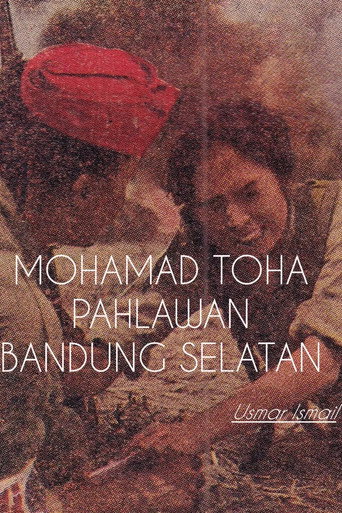
Toha, Pahlawan Bandung Selatan
Movie1961
Producer

The Struggle
Movie1960TMDB 6.3
Producer
- Laruik Sandjo
Laruik Sandjo
Movie1960
Producer

Girl's Dormitory
Movie1958TMDB 8.0
Producer

Djendral Kantjil
Movie1958
Producer

Whips of Fire
Movie1958TMDB 3.0
Producer

Delapan Pendjuru Angin
Movie1957
Producer
- Sengketa
Sengketa
Movie1957
Producer

Three Fugitives
Movie1957
Producer

The Three Maidens
Movie1956TMDB 8.0
Producer

Lagi-Lagi Krisis
Movie1955
Producer

Exalted Guest
Movie1955TMDB 8.0
Producer

After the Curfew
Movie1954TMDB 6.2
Producer

Heboh
Movie1954
Producer
- Kafedo
Kafedo
Movie1953
Producer
- Krisis
Krisis
Movie1953
Producer

The Tiger from Tjampa
Movie1953TMDB 4.5
Producer
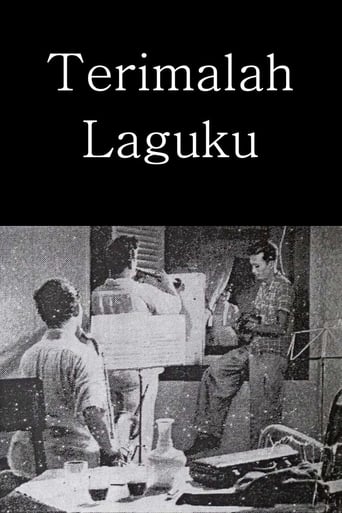
Terimalah Laguku
Movie1952
Producer

Six Hours in Djogja
Movie1951TMDB 9.0
Producer

Unforgivable Sin
Movie1951
Producer
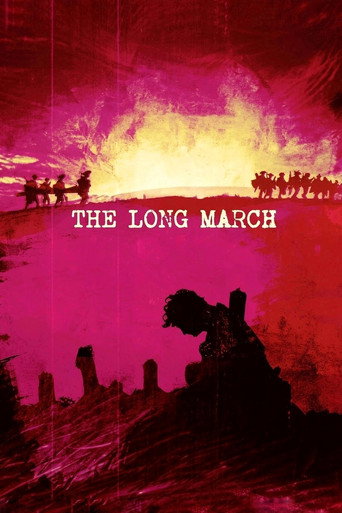
The Long March
Movie1950TMDB 8.0
Producer