
Sammy Cahn
- Known for
- Sound
- Born
- June 18, 1913
- Died
- January 15, 1993
- Birthplace
- Lower East Side, New York City, New York, USA
From Wikipedia, the free encyclopedia Sammy Cahn (June 18, 1913 – January 15, 1993) was an American lyricist, songwriter and musician. He is best known for his romantic lyrics to films and Broadway songs, as well as stand-alone songs premiered by recording companies in the Greater Los Angeles Area. He and his collaborators had a series of hit recordings with Frank Sinatra during the singer's tenure at Capitol Records, but also enjoyed hits with Dean Martin, Doris Day and many others. He played the piano and violin. He won the Academy Award four times for his songs, including the popular song "Three Coins in the Fountain". Among his most enduring songs is "Let It Snow! Let It Snow! Let It Snow!", cowritten with Jule Styne in 1945. Cahn was born Samuel Cohen in the Lower East Side of New York City, the only son (he had four sisters) of Abraham and Elka Reiss Cohen, who were Jewish immigrants from Galicia, then ruled by Austria-Hungary. His sisters, Sadye, Pearl, Florence, and Evelyn, all studied the piano. His mother did not approve of Sammy studying it though, feeling that the piano was a woman's instrument, so he took violin lessons. After three lessons, he joined a small dixieland band called Pals of Harmony, which toured the Catskill Mountains in the summer and also played at private parties. This new dream of Cahn's destroyed any hopes his parents had for him to be a professional man. Some of the side jobs he had were playing violin in a theater-pit orchestra, working at a meat-packing plant, serving as a movie-house usher, tinsmith, freight-elevator operator, restaurant cashier, and porter at a bindery. At age 16, he was watching vaudeville, of which he had been a fan since the age of 10, and he witnessed Jack Osterman singing a ballad Osterman had written. Cahn was inspired and, on his way home from the theater, wrote his first lyric, which was titled "Like Niagara Falls, I'm Falling for You – Baby." Years later he would say "I think a sense of vaudeville is very strong in anything I do, anything I write. They even call it 'a vaudeville finish,' and it comes through in many of my songs. Just sing the end of 'All the Way' or 'Three Coins in the Fountain'—'Make it mine, make it mine, MAKE IT MINE!' If you let people know they should applaud, they will applaud." Cahn became a member of the Songwriters Hall of Fame in 1972. He later became president. Cahn died on January 15, 1993, at the age of 79 in Los Angeles, California from heart failure. His remains were interred in the Westwood Village Memorial Park Cemetery. He was married twice: first to vocalist and former Goldwyn girl Gloria Delson in 1945, with whom he had two children, and later, in 1970, to Virginia Curtis. Over the course of his career, he was nominated for 31 Academy Awards, five Golden Globe Awards, and an Emmy Award. He also received a Grammy Award nomination, with Van Heusen. He won the Christopher Award, the Outer Critics Circle Award, and the Theatre World Award. In 1988, the Sammy Film Music Awards (the "Sammy"), an annual award for movie songs and scores, was started in his honor.Read moreHide biography
From Wikipedia, the free encyclopedia Sammy Cahn (June 18, 1913 – January 15, 1993) was an American lyricist, songwriter and musician. He is best known for his romantic lyrics to films and Broadway songs, as well as stand-alone songs premiered by recording companies in the Greater Los Angeles Area. He and his collaborators had a series of hit recordings with Frank Sinatra during the singer's tenure at Capitol Records, but also enjoyed hits with Dean Martin, Doris Day and many others. He played the piano and violin. He won the Academy Award four times for his songs, including the popular song "Three Coins in the Fountain". Among his most enduring songs is "Let It Snow! Let It Snow! Let It Snow!", cowritten with Jule Styne in 1945. Cahn was born Samuel Cohen in the Lower East Side of New York City, the only son (he had four sisters) of Abraham and Elka Reiss Cohen, who were Jewish immigrants from Galicia, then ruled by Austria-Hungary. His sisters, Sadye, Pearl, Florence, and Evelyn, all studied the piano. His mother did not approve of Sammy studying it though, feeling that the piano was a woman's instrument, so he took violin lessons. After three lessons, he joined a small dixieland band called Pals of Harmony, which toured the Catskill Mountains in the summer and also played at private parties. This new dream of Cahn's destroyed any hopes his parents had for him to be a professional man. Some of the side jobs he had were playing violin in a theater-pit orchestra, working at a meat-packing plant, serving as a movie-house usher, tinsmith, freight-elevator operator, restaurant cashier, and porter at a bindery. At age 16, he was watching vaudeville, of which he had been a fan since the age of 10, and he witnessed Jack Osterman singing a ballad Osterman had written. Cahn was inspired and, on his way home from the theater, wrote his first lyric, which was titled "Like Niagara Falls, I'm Falling for You – Baby." Years later he would say "I think a sense of vaudeville is very strong in anything I do, anything I write. They even call it 'a vaudeville finish,' and it comes through in many of my songs. Just sing the end of 'All the Way' or 'Three Coins in the Fountain'—'Make it mine, make it mine, MAKE IT MINE!' If you let people know they should applaud, they will applaud." Cahn became a member of the Songwriters Hall of Fame in 1972. He later became president. Cahn died on January 15, 1993, at the age of 79 in Los Angeles, California from heart failure. His remains were interred in the Westwood Village Memorial Park Cemetery. He was married twice: first to vocalist and former Goldwyn girl Gloria Delson in 1945, with whom he had two children, and later, in 1970, to Virginia Curtis. Over the course of his career, he was nominated for 31 Academy Awards, five Golden Globe Awards, and an Emmy Award. He also received a Grammy Award nomination, with Van Heusen. He won the Christopher Award, the Outer Critics Circle Award, and the Theatre World Award. In 1988, the Sammy Film Music Awards (the "Sammy"), an annual award for movie songs and scores, was started in his honor.
Known for
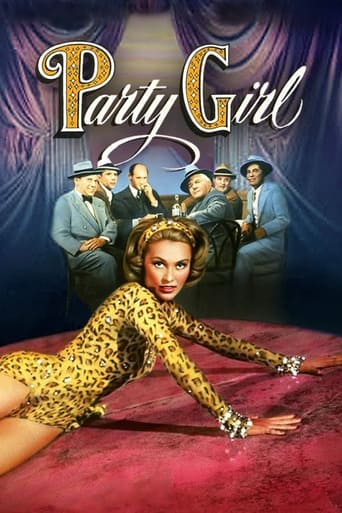

Credits

Whiffs
Movie1975TMDB 7.3
Songs

Two's Company
TV1975TMDB 7.3
Main Title Theme Composer · 28 eps

Journey Back to Oz
Movie1972TMDB 5.4
Songs
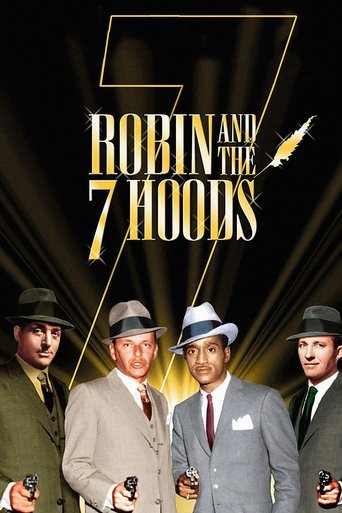
Robin and the 7 Hoods
Movie1964TMDB 6.2
Songs
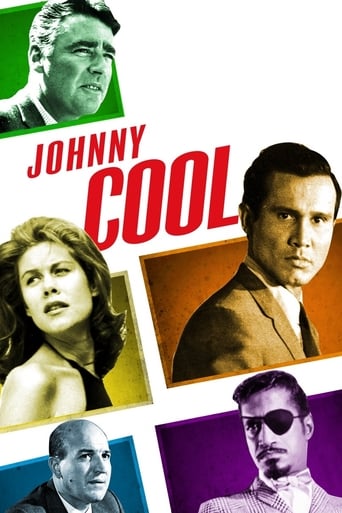
Johnny Cool
Movie1963TMDB 5.4
Songs

Come Blow Your Horn
Movie1963TMDB 5.1
Songs

The Road to Hong Kong
Movie1962TMDB 5.9
Songs
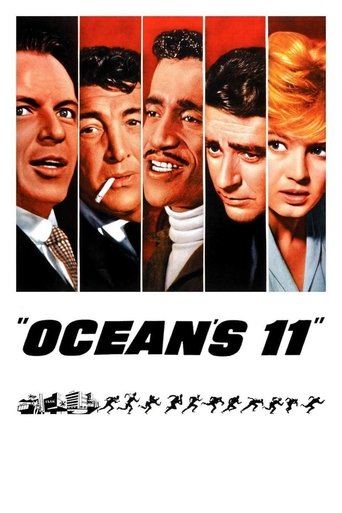
Ocean's Eleven
Movie1960TMDB 6.4
Songs
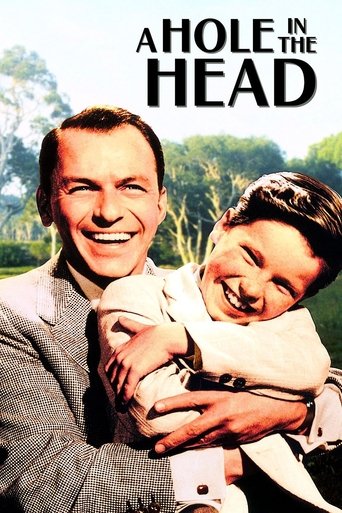
A Hole in the Head
Movie1959TMDB 6.2
Songs

Say One for Me
Movie1959TMDB 5.4
Songs
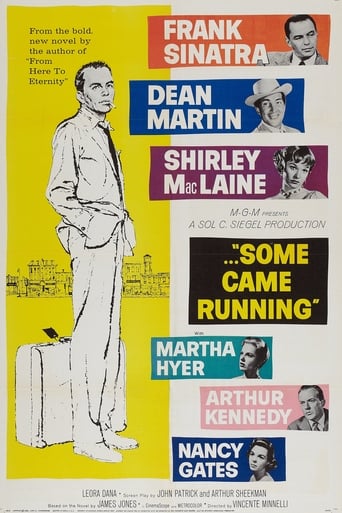
Some Came Running
Movie1958TMDB 6.9
Songs
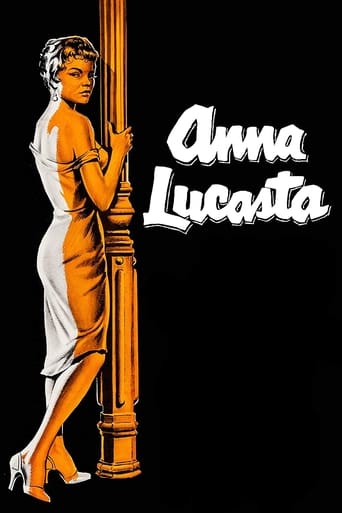
Anna Lucasta
Movie1958TMDB 6.2
Songs

Rock-a-Bye Baby
Movie1958TMDB 6.9
Songs

The Edge of Innocence
Movie1957
Music

The Joker is Wild
Movie1957TMDB 8.1
Songs
The Greer Case
Movie1957
Musician
Heritage of Anger
Movie1956
Music
The Big Slide
Movie1956
Music
The Country Husband
Movie1956
Music
Rendezvous in Black
Movie1956
Music
Sizeman and Son
Movie1956
Music
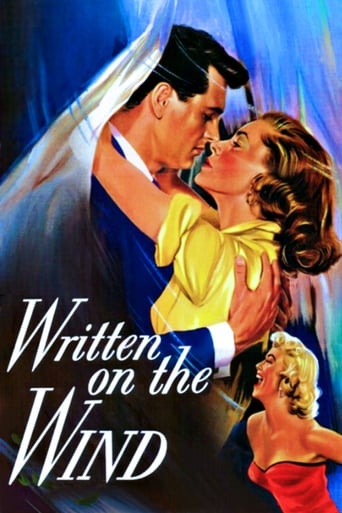
Written on the Wind
Movie1956TMDB 7.0
Songs

Pardners
Movie1956TMDB 6.7
Songs
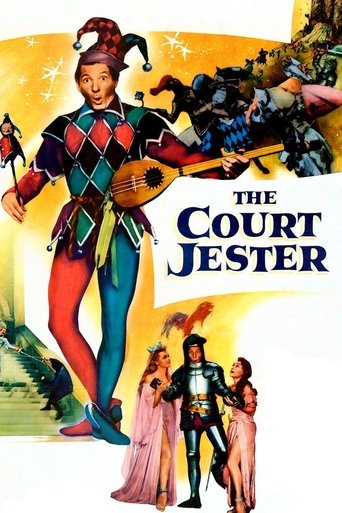
The Court Jester
Movie1955TMDB 7.3
Songs

The Tender Trap
Movie1955TMDB 6.2
Songs
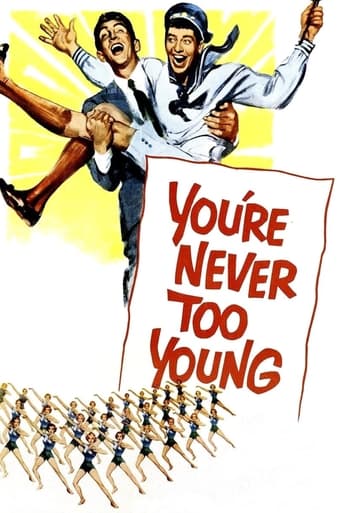
You're Never Too Young
Movie1955TMDB 6.6
Songs

Love Me or Leave Me
Movie1955TMDB 6.8
Songs

Double Dynamite
Movie1951TMDB 6.5
Songs

The West Point Story
Movie1950TMDB 5.8
Songs
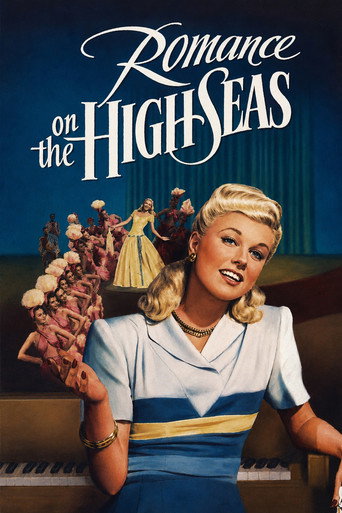
Romance on the High Seas
Movie1948TMDB 6.8
Songs

The Miracle of the Bells
Movie1948TMDB 6.2
Songs

It Happened in Brooklyn
Movie1947TMDB 5.9
Songs
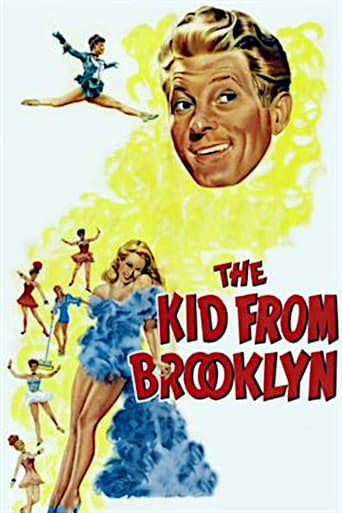
The Kid from Brooklyn
Movie1946TMDB 6.3
Original Music Composer

Thrill of a Romance
Movie1945TMDB 6.6
Songs

Manhattan Merry-Go-Round
Movie1937TMDB 6.5
Songs
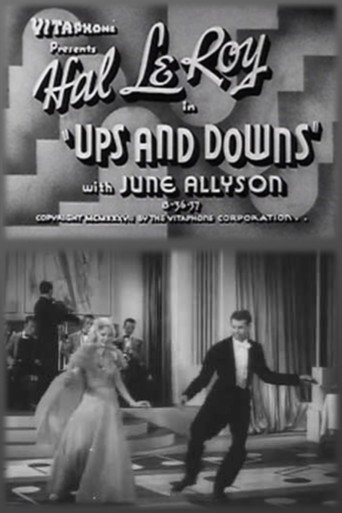
Ups and Downs
Movie1937TMDB 6.8
Original Music Composer

Hotel a la Swing
Movie1937TMDB 5.3
Songs