
Robert Krasker
- Known for
- Camera
- Born
- August 21, 1913
- Died
- August 16, 1981
- Birthplace
- Alexandria, Egypt
Robert Krasker, BSC was a cinematographer and feature film Director of Photography who worked on more than sixty films in his career. He was born in Alexandria, Egypt during a business trip by his parents Mathilde and Leon Krasker from Western Australia to Europe and back and his birth was registered in Perth, Western Australia after their return. The Krasker family lived and operated their pearl trading business out of Denham in Shark Bay and Subiaco in Perth. After Leon died in an accident in Shark Bay, Mathilde had to consider the children's educational needs so moved the family back to Paris where she and Leon had been educated as refugees from eastern Europe. Krasker completed his secondary schooling in Paris then studied art there in 1929 before enrolling in Professor Robert Luther's celebrated photograph course at the Photohändler Schule of the Technische Hochschule, later Technische Universität, in Dresden. He credited his education there for his fast start in the film industry at Les Studios Paramount in Joinville-le-Pont in the south-east of Paris and rapid ascension as the youngest Director of Photography of his era. Krasker moved to England from Paris in 1931 and worked there in that year on his last film as camera assistant to Philip Tannura, Service for Ladies, produced and directed by Alexander Korda. Korda invited him to work at Korda's London Films, where he was apprenticed to French Director of Photography Georges Périnal , becoming a senior camera operator then a Director of Photography in his own right. To say that Krasker's work was "strongly influenced by film noir and German Expressionism" is an oversimplification. It elides his art and photography education in Paris and his apprenticeship to Georges Périnal working as his camera operator on a range of very different films including The Rise of Catherine the Great (1933), Things to Come (1935), Rembrandt (1936), I, Claudius (1937 but unreleased), The Drum (1937), The Four Feathers (1938), The Thief of Bagdad (1939) and more. Robert Krasker's most notable films as Director of Photography included Henry V (1944) for Laurence Olivier, Uncle Silas (1947), directed by Charles Frank and The Third Man (1949), for which he won an Oscar, and Odd Man Out (1947), both for director Carol Reed, as well as Brief Encounter (1945) for David Lean and Another Man's Poison (1951) for Irving Rapper, and more. Despite Krasker's brilliant and atmospheric work on Brief Encounter (1945), Lean sacked him from his next film, Great Expectations (1945), because he and producer Ronald Neame were unhappy with the handling of Krasker's much-celebrated marsh scenes at the beginning of the film. Robert Krasker's later films included Romeo and Juliet (1953) for Renato Castellani, Senso (1953) for Luchino Visconti and The Quiet American (1957) for Joseph L. Mankiewicz and The Criminal (1960) for Joseph Losey as well as the widescreen black and white drama Billy Budd (1961) for Peter Ustinov and the widescreen Technicolor epics Alexander the Great (1955) for Robert Rossen, Trapeze (1955) for Carol Reed, El Cid (1961) for Anthony Mann, The Fall of the Roman Empire (1963) for Anthony Mann and The Heroes of Telemark (1965) also for Anthony Mann.Read moreHide biography
Robert Krasker, BSC was a cinematographer and feature film Director of Photography who worked on more than sixty films in his career. He was born in Alexandria, Egypt during a business trip by his parents Mathilde and Leon Krasker from Western Australia to Europe and back and his birth was registered in Perth, Western Australia after their return. The Krasker family lived and operated their pearl trading business out of Denham in Shark Bay and Subiaco in Perth. After Leon died in an accident in Shark Bay, Mathilde had to consider the children's educational needs so moved the family back to Paris where she and Leon had been educated as refugees from eastern Europe. Krasker completed his secondary schooling in Paris then studied art there in 1929 before enrolling in Professor Robert Luther's celebrated photograph course at the Photohändler Schule of the Technische Hochschule, later Technische Universität, in Dresden. He credited his education there for his fast start in the film industry at Les Studios Paramount in Joinville-le-Pont in the south-east of Paris and rapid ascension as the youngest Director of Photography of his era. Krasker moved to England from Paris in 1931 and worked there in that year on his last film as camera assistant to Philip Tannura, Service for Ladies, produced and directed by Alexander Korda. Korda invited him to work at Korda's London Films, where he was apprenticed to French Director of Photography Georges Périnal , becoming a senior camera operator then a Director of Photography in his own right. To say that Krasker's work was "strongly influenced by film noir and German Expressionism" is an oversimplification. It elides his art and photography education in Paris and his apprenticeship to Georges Périnal working as his camera operator on a range of very different films including The Rise of Catherine the Great (1933), Things to Come (1935), Rembrandt (1936), I, Claudius (1937 but unreleased), The Drum (1937), The Four Feathers (1938), The Thief of Bagdad (1939) and more. Robert Krasker's most notable films as Director of Photography included Henry V (1944) for Laurence Olivier, Uncle Silas (1947), directed by Charles Frank and The Third Man (1949), for which he won an Oscar, and Odd Man Out (1947), both for director Carol Reed, as well as Brief Encounter (1945) for David Lean and Another Man's Poison (1951) for Irving Rapper, and more. Despite Krasker's brilliant and atmospheric work on Brief Encounter (1945), Lean sacked him from his next film, Great Expectations (1945), because he and producer Ronald Neame were unhappy with the handling of Krasker's much-celebrated marsh scenes at the beginning of the film. Robert Krasker's later films included Romeo and Juliet (1953) for Renato Castellani, Senso (1953) for Luchino Visconti and The Quiet American (1957) for Joseph L. Mankiewicz and The Criminal (1960) for Joseph Losey as well as the widescreen black and white drama Billy Budd (1961) for Peter Ustinov and the widescreen Technicolor epics Alexander the Great (1955) for Robert Rossen, Trapeze (1955) for Carol Reed, El Cid (1961) for Anthony Mann, The Fall of the Roman Empire (1963) for Anthony Mann and The Heroes of Telemark (1965) also for Anthony Mann.
Known for
Credits

Red
Movie1976TMDB 7.0
Cinematography

The Trap
Movie1966TMDB 7.3
Director of Photography
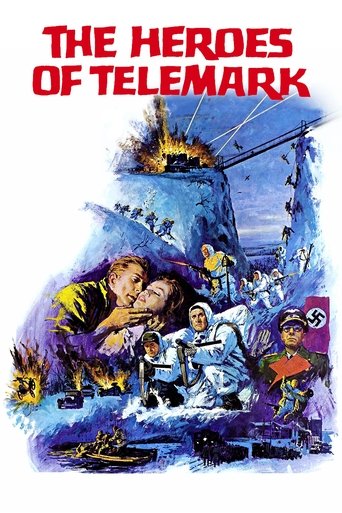
The Heroes of Telemark
Movie1965TMDB 6.9
Director of Photography

The Collector
Movie1965TMDB 7.3
Director of Photography
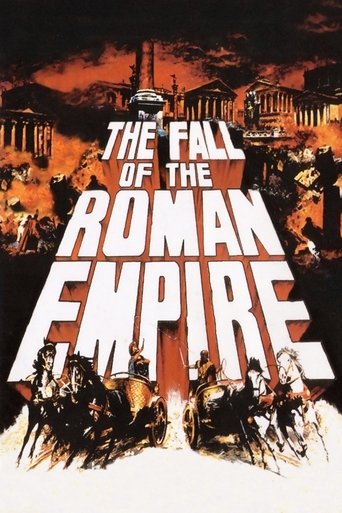
The Fall of the Roman Empire
Movie1964TMDB 6.4
Director of Photography
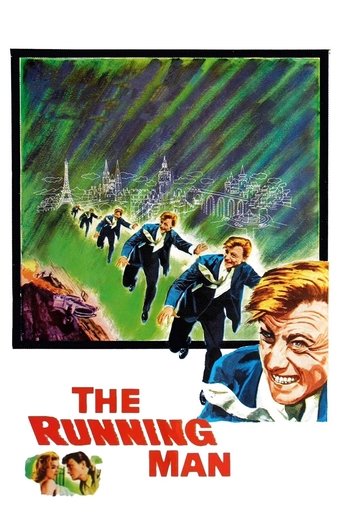
The Running Man
Movie1963TMDB 6.7
Director of Photography

Billy Budd
Movie1962TMDB 7.3
Director of Photography

Guns of Darkness
Movie1962TMDB 6.2
Director of Photography
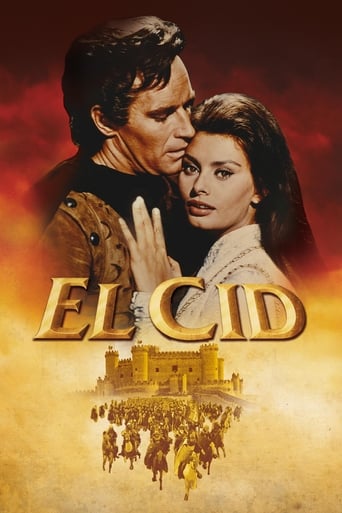
El Cid
Movie1961TMDB 6.8
Director of Photography

Romanoff and Juliet
Movie1961TMDB 5.7
Director of Photography

The Criminal
Movie1960TMDB 6.5
Director of Photography
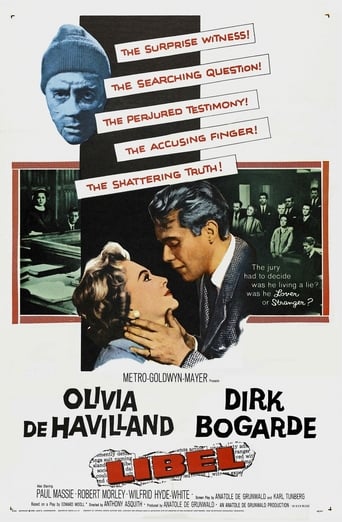
Libel
Movie1959TMDB 6.8
Director of Photography
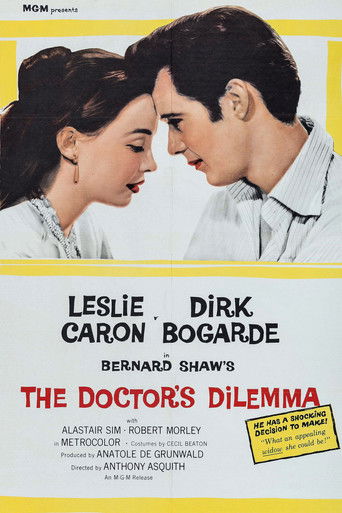
The Doctor's Dilemma
Movie1959TMDB 6.5
Director of Photography

Behind the Mask
Movie1958TMDB 6.4
Director of Photography

The Quiet American
Movie1958TMDB 5.8
Director of Photography
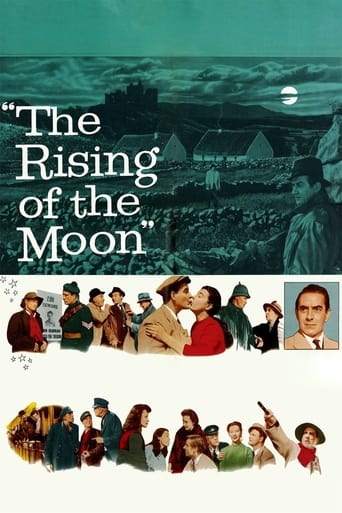
The Rising of the Moon
Movie1957TMDB 6.8
Director of Photography

Trapeze
Movie1956TMDB 6.3
Director of Photography
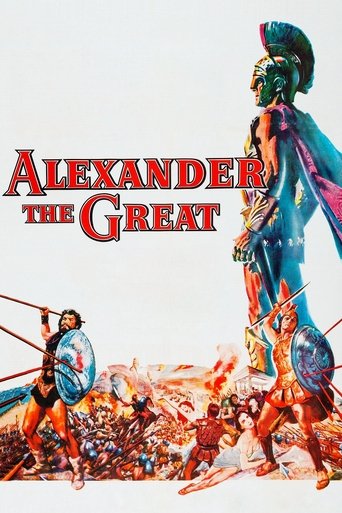
Alexander the Great
Movie1956TMDB 6.1
Director of Photography
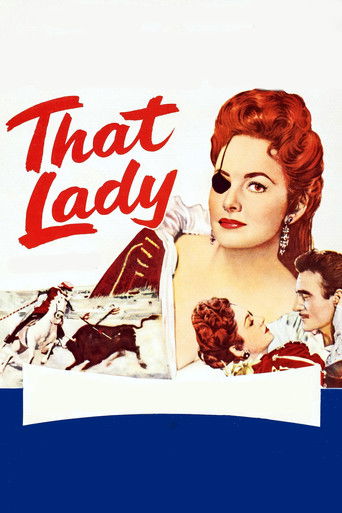
That Lady
Movie1955TMDB 6.6
Director of Photography
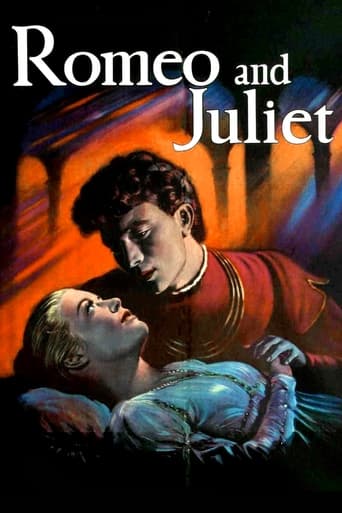
Romeo and Juliet
Movie1954TMDB 5.4
Director of Photography
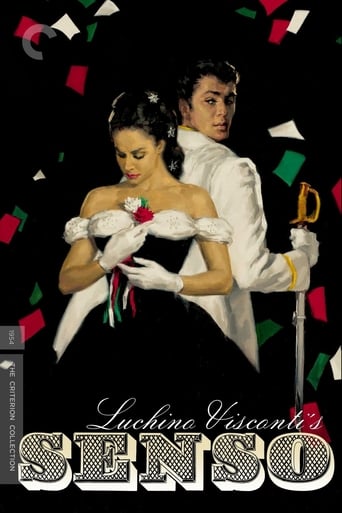
Senso
Movie1954TMDB 7.2
Director of Photography

Malta Story
Movie1953TMDB 6.3
Director of Photography

Never Let Me Go
Movie1953TMDB 5.9
Director of Photography

Another Man's Poison
Movie1951TMDB 6.7
Director of Photography

The Wonder Kid
Movie1951TMDB 10.0
Director of Photography

Cry, the Beloved Country
Movie1951TMDB 6.3
Director of Photography

State Secret
Movie1950TMDB 6.9
Director of Photography

The Angel with the Trumpet
Movie1950TMDB 7.0
Director of Photography
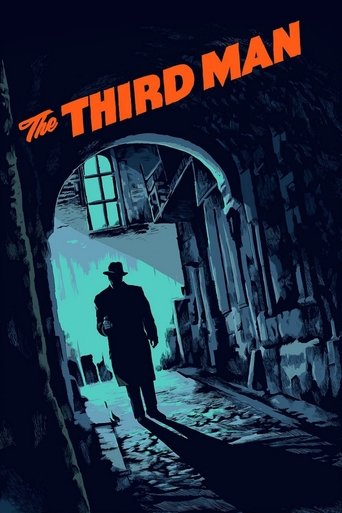
The Third Man
Movie1949TMDB 7.9
Director of Photography
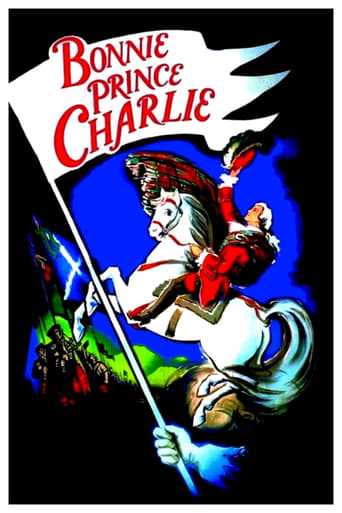
Bonnie Prince Charlie
Movie1948TMDB 5.5
Director of Photography

Uncle Silas
Movie1947TMDB 5.9
Director of Photography

Odd Man Out
Movie1947TMDB 7.3
Director of Photography
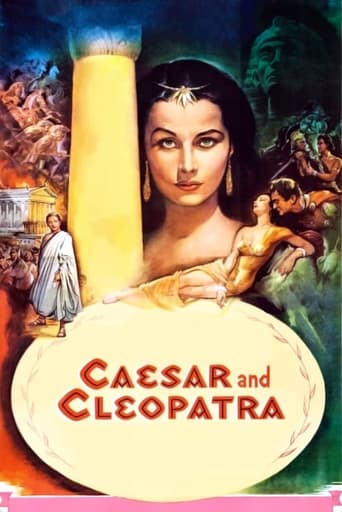
Caesar and Cleopatra
Movie1946TMDB 6.2
Director of Photography
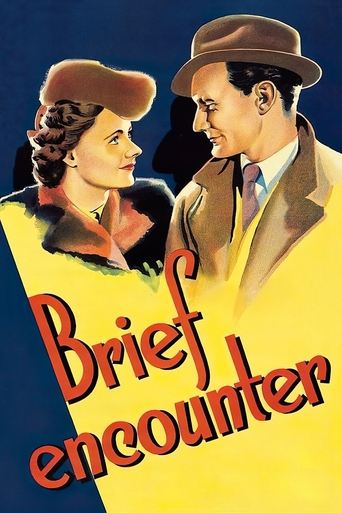
Brief Encounter
Movie1945TMDB 7.7
Director of Photography
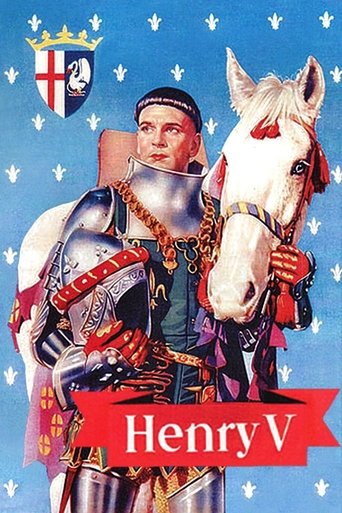
Henry V
Movie1944TMDB 6.7
Director of Photography

The Lamp Still Burns
Movie1943TMDB 5.8
Director of Photography

The Gentle Sex
Movie1943TMDB 7.0
Director of Photography
- Rose of Tralee
Rose of Tralee
Movie1942TMDB 9.0
Camera Operator

Old Bill and Son
Movie1941TMDB 6.6
Camera Operator

The Challenge
Movie1938TMDB 6.3
Camera Operator
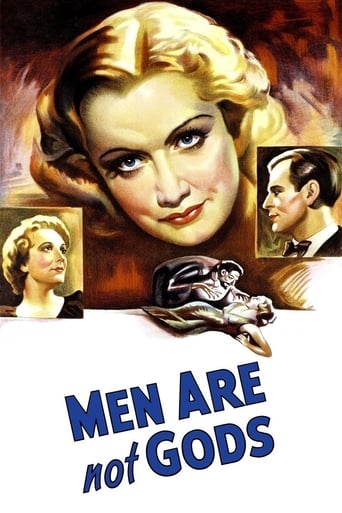
Men Are Not Gods
Movie1936TMDB 5.6
Camera Operator
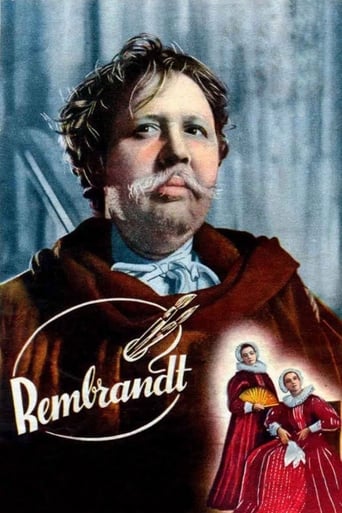
Rembrandt
Movie1936TMDB 6.8
Camera Operator

Things to Come
Movie1936TMDB 6.4
Camera Operator
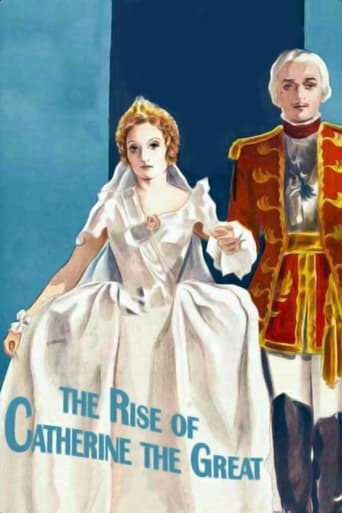
The Rise of Catherine the Great
Movie1934TMDB 5.8
Camera Operator