
Billy Wilder
- Known for
- Directing
- Born
- June 22, 1906
- Died
- March 27, 2002
- Birthplace
- Sucha, Galicia, Austria-Hungary
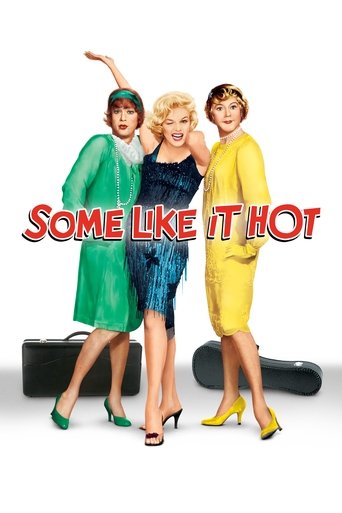
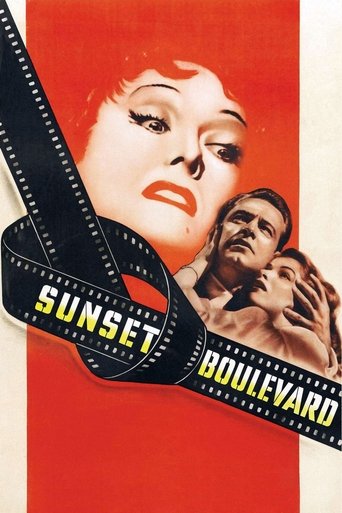
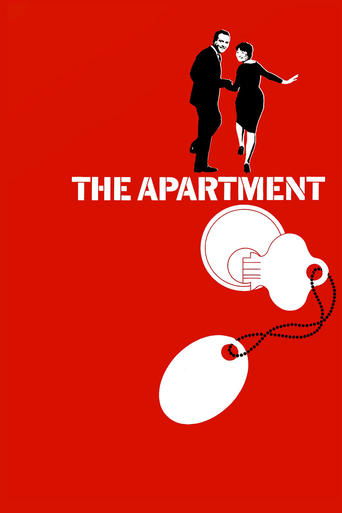
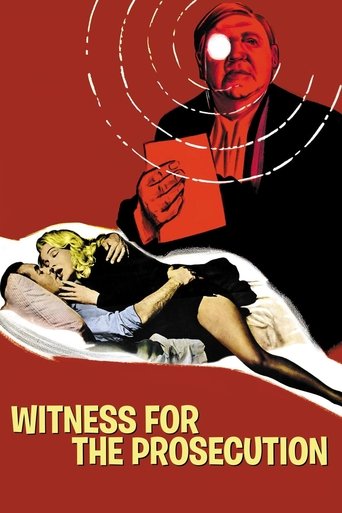
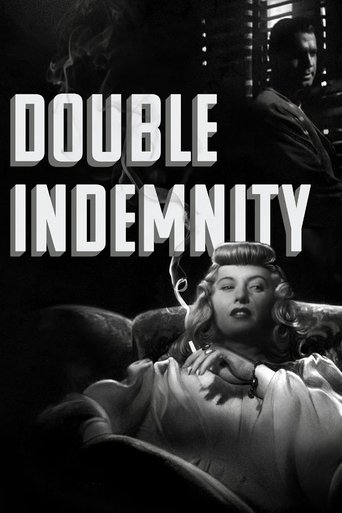
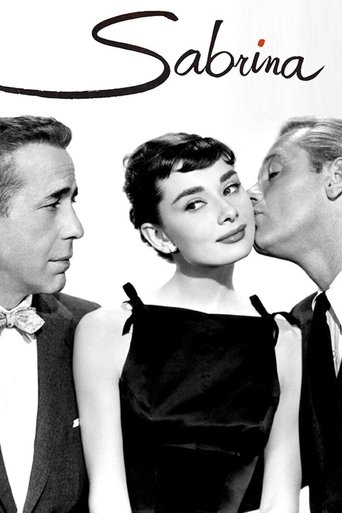
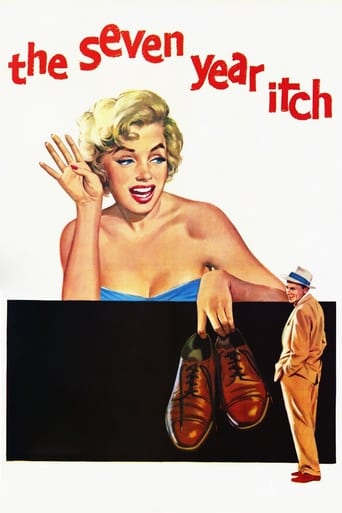
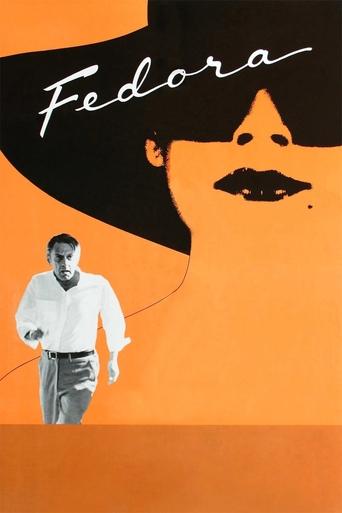
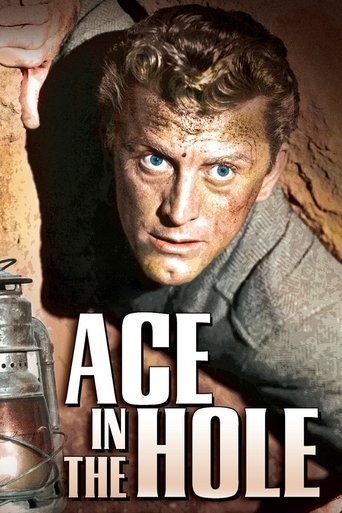
Billy Wilder, born Samuel Wilder; (22 June 1906 - 27 March 2002) was an Austrian-born director, screenwriter and producer who is regarded as one of the most successful filmmakers of Hollywood's golden age. Today he is best known for his comedies, although he also directed dramas and film noirs. Wilder is one of only five people who have won Academy Awards as producer, director, and writer for the same film (The Apartment). Wilder's career began in Germany, where he worked as a writer for comedy films from 1930. After the Nazis seized power in 1933, he emigrated to the United States, where he continued to write screenplays, including Ernst Lubitsch's Ninotchka (1939) and Howard Hawks' Ball of Fire (1941). From the early 1940s, Wilder was allowed to film his own screenplays and thus made a name for himself as a director. Initially, his greatest successes included predominantly dramatic film noirs such as Double Indemnity (1944), The Lost Weekend (1945), Sunset Boulevard (1950) and Ace in the Hole (1951). It was only then that he increasingly turned to comedy, including Stalag 17 (1953), Sabrina (1954) and The Seven Year Itch (1955), although he made a small detour to courtroom drama with Witness for the Prosecution (1957). With Some Like It Hot (1959) and The Apartment (1960) he made his most famous and probably most successful comedy films, the latter even receiving five Oscars. In One, Two, Three (1961), Wilder dealt with the conditions of the time in his former adopted country, Germany, and made the successful romantic comedy Irma la Douce (1963). In the two decades that followed, Wilder made seven more films, which were less well received by critics and audiences, although the German-French drama Fedora (1978) is viewed somewhat more favorably today by predominantly pretentious film experts. Some time later, Wilder was under discussion as director for Schindler's List, which he had wanted as the end of his long career, but ultimately had to turn it down due to his advanced age.Read moreHide biography
Billy Wilder, born Samuel Wilder; (22 June 1906 - 27 March 2002) was an Austrian-born director, screenwriter and producer who is regarded as one of the most successful filmmakers of Hollywood's golden age. Today he is best known for his comedies, although he also directed dramas and film noirs. Wilder is one of only five people who have won Academy Awards as producer, director, and writer for the same film (The Apartment). Wilder's career began in Germany, where he worked as a writer for comedy films from 1930. After the Nazis seized power in 1933, he emigrated to the United States, where he continued to write screenplays, including Ernst Lubitsch's Ninotchka (1939) and Howard Hawks' Ball of Fire (1941). From the early 1940s, Wilder was allowed to film his own screenplays and thus made a name for himself as a director. Initially, his greatest successes included predominantly dramatic film noirs such as Double Indemnity (1944), The Lost Weekend (1945), Sunset Boulevard (1950) and Ace in the Hole (1951). It was only then that he increasingly turned to comedy, including Stalag 17 (1953), Sabrina (1954) and The Seven Year Itch (1955), although he made a small detour to courtroom drama with Witness for the Prosecution (1957). With Some Like It Hot (1959) and The Apartment (1960) he made his most famous and probably most successful comedy films, the latter even receiving five Oscars. In One, Two, Three (1961), Wilder dealt with the conditions of the time in his former adopted country, Germany, and made the successful romantic comedy Irma la Douce (1963). In the two decades that followed, Wilder made seven more films, which were less well received by critics and audiences, although the German-French drama Fedora (1978) is viewed somewhat more favorably today by predominantly pretentious film experts. Some time later, Wilder was under discussion as director for Schindler's List, which he had wanted as the end of his long career, but ultimately had to turn it down due to his advanced age.
Known for

Credits

Audrey
Movie2020TMDB 7.1
Self - Filmmaker (voice) (archive footage)

Hollywood's Second World War
Movie2019TMDB 8.0
Self (archive footage)
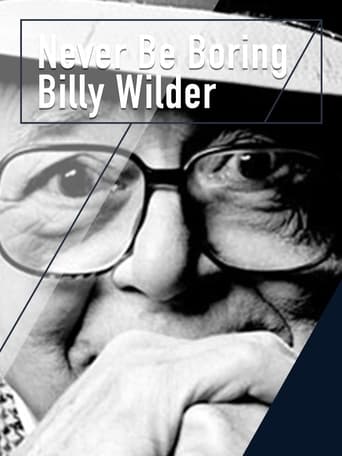
Never Be Boring: Billy Wilder
Movie2017TMDB 7.3
Self (archive footage)

Billy Wilder: Nobody's Perfect
Movie2016TMDB 7.6
Self (archive footage)

The Legacy of 'Some Like It Hot'
Movie2006TMDB 8.5
Self (archive footage)

The Making of 'Some Like It Hot'
Movie2006TMDB 7.0
Self (archive footage)

Billy Wilder Speaks
Movie2006TMDB 6.7
Self - Filmmaker
Un film et son époque
TV2003TMDB 10.0
Self (archive footage) · 1 ep
Heart of the Festival
Movie2002TMDB 6.7
Self (archive footage)
Nobody's Perfect: The Making of Some Like It Hot
Movie2001TMDB 7.0
Self (archive footage)
Klaus Kinski: I'm not an actor
Movie2000
Self (archive footage)
- Sternstunde Kunst
Sternstunde Kunst
TV1998
Self · 1 ep
Billy Wilder: The Human Comedy
Movie1998TMDB 6.0
Self

Walter Matthau: Diamond in the Rough
Movie1997TMDB 6.5
Self
Fred MacMurray: The Guy Next Door
Movie1996TMDB 7.0
Self

Jack Lemmon: America's Everyman
Movie1996TMDB 7.5
Self

Audrey Hepburn: Remembered
Movie1993TMDB 7.6
Self
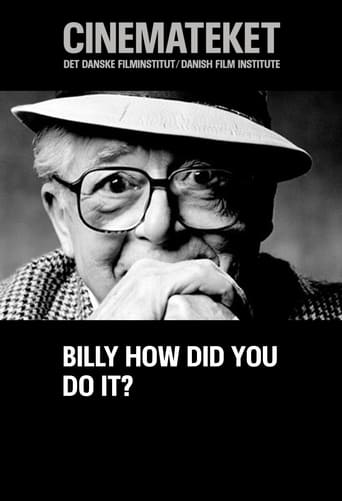
Billy, How Did You Do It?
TV1992
Self · 6 eps
Billy, How Did You Do It?
Movie1992TMDB 6.0
Self
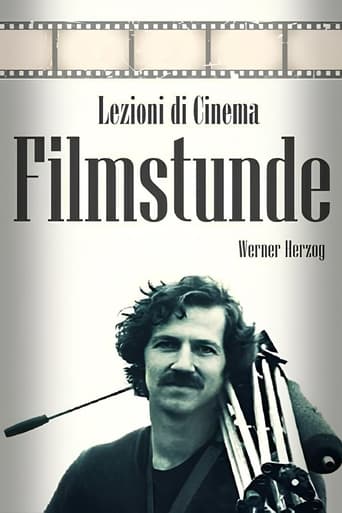
Film Lesson
TV1991
Self · 1 ep
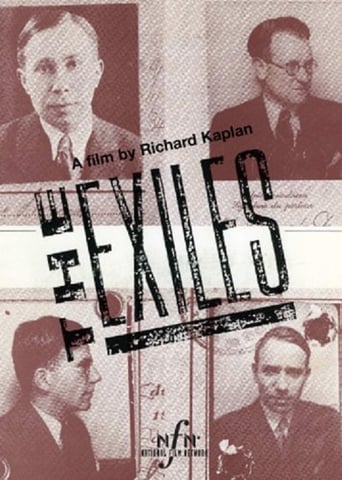
The Exiles
Movie1989TMDB 9.0
Self
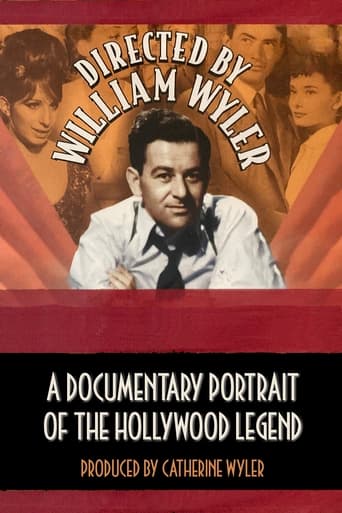
Directed by William Wyler
Movie1986
Self

Portrait of a '60% Perfect Man': Billy Wilder
Movie1982TMDB 6.9
Self
The Kennedy Center Honors
TV1978TMDB 7.4
Self · 1 ep
- Regie: Billy Wilder
Regie: Billy Wilder
Movie1978
Self

Les Rendez-vous du dimanche
TV1975TMDB 6.0
Self · 1 ep
Spécial cinéma
TV1974TMDB 9.5
Self · 1 ep
The American Film Institute Salute to ...
TV1973TMDB 6.3
Self · 2 eps
- Film '72
Film '72
TV1971TMDB 5.1
Self · 1 ep
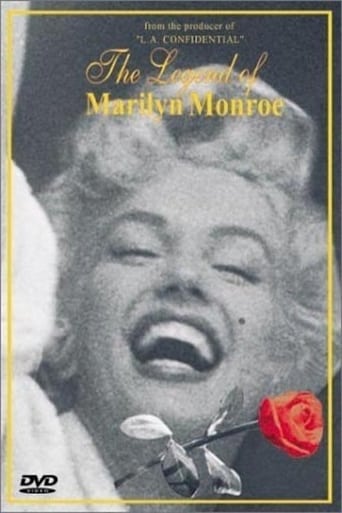
The Legend of Marilyn Monroe
Movie1966TMDB 6.7
Cinépanorama
TV1956TMDB 8.7
Self · 1 ep
The Oscars
TV1953TMDB 7.0
Self · 1 ep
- German Film Award
German Film Award
TV1951TMDB 6.0
Self · 1 ep