
Philippe de Broca
- Known for
- Directing
- Born
- March 15, 1933
- Died
- November 26, 2004
- Birthplace
- Paris, France
Philippe Claude Alex de Broca de Ferrussac (15 March 1933 – 26 November 2004) was a French film director. He directed 30 full-length feature films, including the highly successful That Man from Rio (L'Homme de Rio), The Man from Acapulco (Le Magnifique) and On Guard (Le Bossu). His works include historical, romantic epics such as Chouans! and King of Hearts (Le Roi de cœur), as well as comedies with a charismatic, breezy hero ready to embark upon any adventure which comes his way, so long as it means escaping everyday modern life: Practice Makes Perfect (Le Cavaleur), The Devil by the Tail (Le Diable par la queue), The African (L'Africain). He had links with the actor Jean-Paul Belmondo, with whom he made six films, as well as with Jean-Pierre Cassel, Philippe Noiret and Jean Rochefort. Philippe de Broca was born on 15 March 1933 in Paris. He was the son of a cinema set designer and the grandson of a well-known painter, Alexis de Broca. He studied at the Paris Photography and Cinematography School (école Vaugirard), graduating in 1953. He carried out his military service with the French Army's service cinématographique des armées (army film service) in Germany and then in Algeria, directing or acting as head cameraman on short films. Greatly affected by the war he witnessed in Algeria, he vowed to show life in its best light in his future films "because laughter is the best defence against upsets in life". After his discharge from the military, he set off on a journey taking in the length of Africa in Berliet trucks before returning to Paris. He began working as an intern with Henri Decoin, before finding assistant positions with Claude Chabrol: Bitter Reunion (Le Beau Serge), The Cousins (Les Cousins), Web of Passion (À Double Tour), François Truffaut: The 400 Blows (Les 400 Coups) and Pierre Schoendoerffer: Ramuntcho. In 1959, Claude Chabrol produced de Broca's first film for him, The Love Game (Les jeux de l'amour) with Jean-Pierre Cassel. De Broca went on to work with Cassel again in The Joker (Le Farceur, 1960), Five Day Lover (L'Amant de cinq jours, 1961), and Male Companion (Un Monsieur de Compagnie, 1964). De Broca's first commercial success came with Swords of Blood (Cartouche), filmed in 1962. This film also saw two more names become associated with de Broca: the actor Jean-Paul Belmondo and the producer Alexandre Mnouchkine. International acclaim came with That Man from Rio (L'Homme de Rio) in 1964, Up to His Ears (Les tribulations d'un Chinois en Chine) in 1965, The Man from Acapulco (Le Magnifique) in 1973 and Incorrigible (L'Incorrigible) in 1975. In 1966, he co-wrote, directed and produced King of Hearts (Le Roi de Cœur). This parody of the Great War, which some cinema-lovers consider his masterpiece, was a commercial and personal failure, to de Broca's dismay. Yet it eventually achieved genuine cult-film status during the mid 1970s when it was presented in repertory movie theaters as well as non-theatrical college and university film series across the United States, eventually running for five years at the now defunct film house, the Central Square Cinemas [2] in Cambridge, Massachusetts. ... Source: Article "Philippe de Broca" from Wikipedia in English, licensed under CC-BY-SA.Read moreHide biography
Philippe Claude Alex de Broca de Ferrussac (15 March 1933 – 26 November 2004) was a French film director. He directed 30 full-length feature films, including the highly successful That Man from Rio (L'Homme de Rio), The Man from Acapulco (Le Magnifique) and On Guard (Le Bossu). His works include historical, romantic epics such as Chouans! and King of Hearts (Le Roi de cœur), as well as comedies with a charismatic, breezy hero ready to embark upon any adventure which comes his way, so long as it means escaping everyday modern life: Practice Makes Perfect (Le Cavaleur), The Devil by the Tail (Le Diable par la queue), The African (L'Africain). He had links with the actor Jean-Paul Belmondo, with whom he made six films, as well as with Jean-Pierre Cassel, Philippe Noiret and Jean Rochefort. Philippe de Broca was born on 15 March 1933 in Paris. He was the son of a cinema set designer and the grandson of a well-known painter, Alexis de Broca. He studied at the Paris Photography and Cinematography School (école Vaugirard), graduating in 1953. He carried out his military service with the French Army's service cinématographique des armées (army film service) in Germany and then in Algeria, directing or acting as head cameraman on short films. Greatly affected by the war he witnessed in Algeria, he vowed to show life in its best light in his future films "because laughter is the best defence against upsets in life". After his discharge from the military, he set off on a journey taking in the length of Africa in Berliet trucks before returning to Paris. He began working as an intern with Henri Decoin, before finding assistant positions with Claude Chabrol: Bitter Reunion (Le Beau Serge), The Cousins (Les Cousins), Web of Passion (À Double Tour), François Truffaut: The 400 Blows (Les 400 Coups) and Pierre Schoendoerffer: Ramuntcho. In 1959, Claude Chabrol produced de Broca's first film for him, The Love Game (Les jeux de l'amour) with Jean-Pierre Cassel. De Broca went on to work with Cassel again in The Joker (Le Farceur, 1960), Five Day Lover (L'Amant de cinq jours, 1961), and Male Companion (Un Monsieur de Compagnie, 1964). De Broca's first commercial success came with Swords of Blood (Cartouche), filmed in 1962. This film also saw two more names become associated with de Broca: the actor Jean-Paul Belmondo and the producer Alexandre Mnouchkine. International acclaim came with That Man from Rio (L'Homme de Rio) in 1964, Up to His Ears (Les tribulations d'un Chinois en Chine) in 1965, The Man from Acapulco (Le Magnifique) in 1973 and Incorrigible (L'Incorrigible) in 1975. In 1966, he co-wrote, directed and produced King of Hearts (Le Roi de Cœur). This parody of the Great War, which some cinema-lovers consider his masterpiece, was a commercial and personal failure, to de Broca's dismay. Yet it eventually achieved genuine cult-film status during the mid 1970s when it was presented in repertory movie theaters as well as non-theatrical college and university film series across the United States, eventually running for five years at the now defunct film house, the Central Square Cinemas [2] in Cambridge, Massachusetts. ... Source: Article "Philippe de Broca" from Wikipedia in English, licensed under CC-BY-SA.
Known for




Credits
Belmondo: The Incorrigible
Movie2022TMDB 7.8

Le Terminus des prétentieux
Movie2020TMDB 6.3
Self (archive footage)
Belmondo, il était une fois le beau monde
Movie2011TMDB 6.0
Self (archive footage)

The Foreign Eye
Movie2006TMDB 6.1
Self

Michel Audiard et le mystère du triangle des Bermudes
Movie2002TMDB 7.7
Self

Elle s'appelait Françoise
Movie1996TMDB 9.0
Self
Sacrée soirée
TV1987TMDB 5.7
Self · 3 eps
Champs-Elysées
TV1982TMDB 6.8
Self · 1 ep
Droit de Réponse
Movie1981TMDB 8.3
Self
Ciné regards
TV1978TMDB 5.0
Self · 1 ep
Les Rendez-vous du dimanche
TV1975TMDB 6.0
Self · 2 eps
Spécial cinéma
TV1974TMDB 9.5
Self · 1 ep
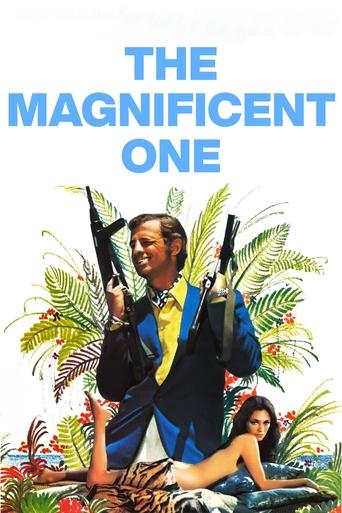
The Magnificent One
Movie1973TMDB 7.0
Le second plombier (uncredited)
Le Grand Échiquier
TV1972TMDB 8.0
Self · 1 ep

Le Cinema de Papa
Movie1971TMDB 6.4
Jean Timent
- Samedi soir
Samedi soir
TV1971TMDB 6.0
Self · 1 ep

The Devil by the Tail
Movie1969TMDB 6.1
Un passant suédois
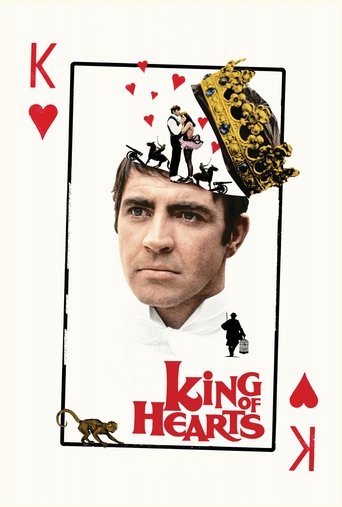
King of Hearts
Movie1966TMDB 6.9
Adolf Hitler

Les Pieds nickelés
Movie1964TMDB 6.2
le chauffeur de taxi

The Little Misses
Movie1964
Le timide

People in Luck
Movie1963TMDB 5.6
Le passant qui reçoit l'affiche (segment "Une nuit avec la vedette")

The Girls of La Rochelle
Movie1962TMDB 10.0
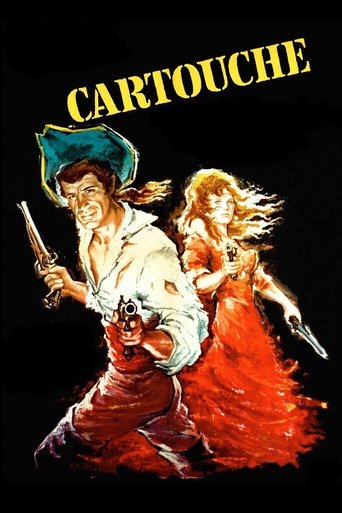
Cartouche
Movie1962TMDB 6.3
L'homme qui crie 'les aristocrates à la lanterne'

The Love Game
Movie1960TMDB 6.3
L'homme au cabaret Le Bateau Mouche
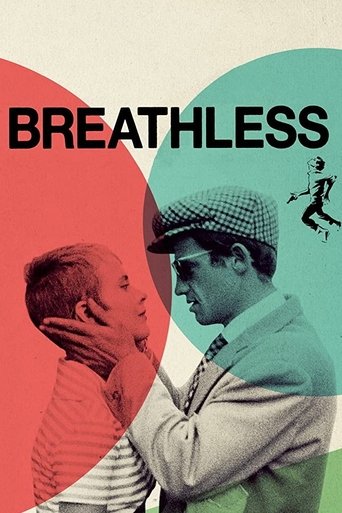
Breathless
Movie1960TMDB 7.5
A Journalist (uncredited)

The 400 Blows
Movie1959TMDB 8.0
Homme dans une fête foraine (non crédité)

Handsome Serge
Movie1959TMDB 6.9
Jacques Rivette de la Chasuble
Cinépanorama
TV1956TMDB 8.7
Self · 1 ep

Three Dates
Movie1953TMDB 6.8
Alex, le peintre