
Sadao Yamanaka
- Known for
- Directing
- Born
- November 7, 1909
- Died
- September 17, 1938
- Birthplace
- Higashiyama, Kyōto, Japan
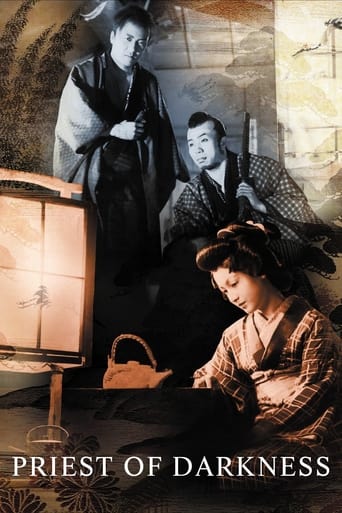
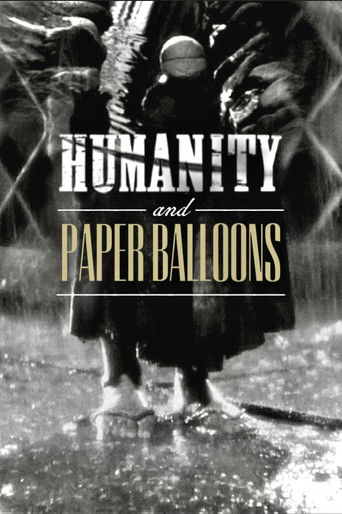
Sadao Yamanaka (山中 貞雄, Yamanaka Sadao, November 7, 1909 – September 17, 1938) was a Japanese film director and screenwriter who directed 26 films between 1932 and 1938. He was a contemporary of Yasujirō Ozu, Mikio Naruse and Kenji Mizoguchi and one of the primary figures in the development of the jidaigeki, or historical film. Yamanaka began his career in the Japanese film industry at the age of 20 as a writer and assistant director for the Makino company. In 1932, he began working for Kanjuro Productions, a small, independent film company similar to many others founded during the same period as it was centered around a popular jidaigeki film star, this time Kanjuro Arashi. Here, he began directing his first films, all of which were jidaigeki. During his first year at Kanjuro, he made six films. He was "discovered" by the critic Matsuo Kishi and gained a reputation for creating films that escaped clichés and focused on social injustices. Early on, he had stated an interest in blurring the lines between several genres: comedy, historical epics, and comedy-dramas focusing on average people. Viewers and critics note in his surviving films the genesis of ideas later explored by the internationally successful Akira Kurosawa, Kenji Mizoguchi, Yasujirō Ozu and Seijun Suzuki. He formed the Narutaki-gumi with his friends, and they wrote under the pseudonym Kimpachi Kajiwara. Yamanaka has been characterized as a minimalist, one whose style favoured elegance and rhythm. During the 1930s he moved between several film companies, eventually settling in Kyoto and working for the Nikkatsu Company. Most of his films were silent films as sound did not gain a prominence in Japan until 1935-36. He worked twice with the Japanese theatre troupe Zenshin-za: first on The Village Tattooed Man (Machi no Irezumi-mono, 1935) and on his final film, Humanity and Paper Balloons. Yamanaka died of dysentery in Manchuria after being drafted into the Imperial Japanese Army. He is the uncle of the Japanese film director Tai Kato, who wrote a book about Yamanaka, Eiga kantoku Yamanaka Sadao. Only three of his films survive in nearly complete form. Description from the Wikipedia article Sadao Yamanaka, licensed under CC-BY-SA.Read moreHide biography
Sadao Yamanaka (山中 貞雄, Yamanaka Sadao, November 7, 1909 – September 17, 1938) was a Japanese film director and screenwriter who directed 26 films between 1932 and 1938. He was a contemporary of Yasujirō Ozu, Mikio Naruse and Kenji Mizoguchi and one of the primary figures in the development of the jidaigeki, or historical film. Yamanaka began his career in the Japanese film industry at the age of 20 as a writer and assistant director for the Makino company. In 1932, he began working for Kanjuro Productions, a small, independent film company similar to many others founded during the same period as it was centered around a popular jidaigeki film star, this time Kanjuro Arashi. Here, he began directing his first films, all of which were jidaigeki. During his first year at Kanjuro, he made six films. He was "discovered" by the critic Matsuo Kishi and gained a reputation for creating films that escaped clichés and focused on social injustices. Early on, he had stated an interest in blurring the lines between several genres: comedy, historical epics, and comedy-dramas focusing on average people. Viewers and critics note in his surviving films the genesis of ideas later explored by the internationally successful Akira Kurosawa, Kenji Mizoguchi, Yasujirō Ozu and Seijun Suzuki. He formed the Narutaki-gumi with his friends, and they wrote under the pseudonym Kimpachi Kajiwara. Yamanaka has been characterized as a minimalist, one whose style favoured elegance and rhythm. During the 1930s he moved between several film companies, eventually settling in Kyoto and working for the Nikkatsu Company. Most of his films were silent films as sound did not gain a prominence in Japan until 1935-36. He worked twice with the Japanese theatre troupe Zenshin-za: first on The Village Tattooed Man (Machi no Irezumi-mono, 1935) and on his final film, Humanity and Paper Balloons. Yamanaka died of dysentery in Manchuria after being drafted into the Imperial Japanese Army. He is the uncle of the Japanese film director Tai Kato, who wrote a book about Yamanaka, Eiga kantoku Yamanaka Sadao. Only three of his films survive in nearly complete form. Description from the Wikipedia article Sadao Yamanaka, licensed under CC-BY-SA.
Known for

Credits
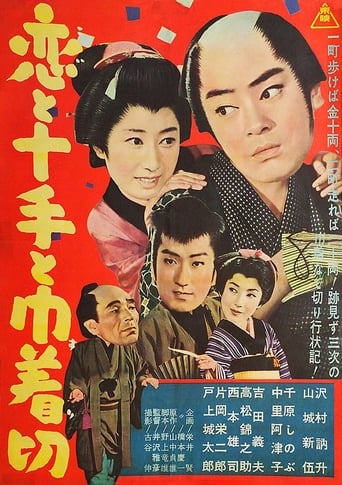
Love And Order
Movie1963
Original Story
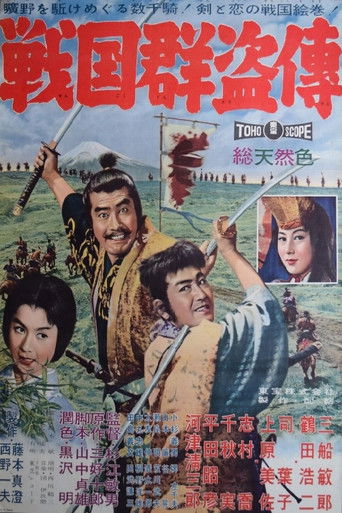
Saga of the Vagabonds
Movie1959TMDB 6.8
Screenplay

Red-Lacquered Sword
Movie1956
Original Story

Hatamoto Yakuza
Movie1955
Original Story
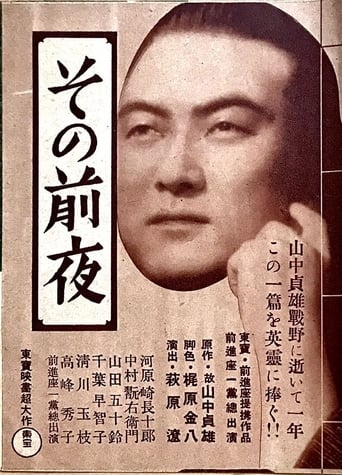
The Day Before
Movie1939TMDB 10.0
Story
- Ishimatsu from the Forest
Ishimatsu from the Forest
Movie1937
Screenplay

The Village Tattooed Man
Movie1935
Screenplay
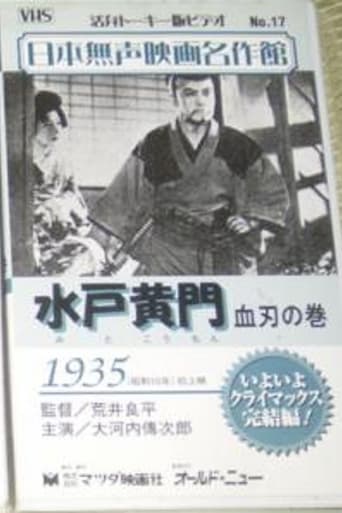
Mito Komon - The Bloody Swords
Movie1935
Writer
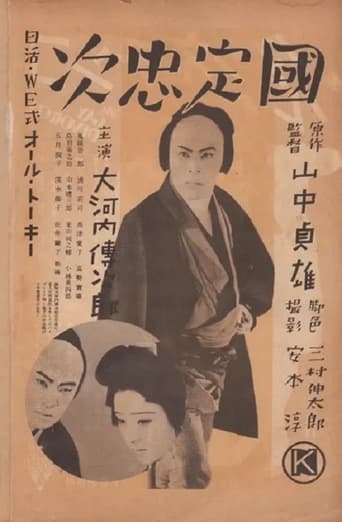
Kunisada Chūji
Movie1935
Story
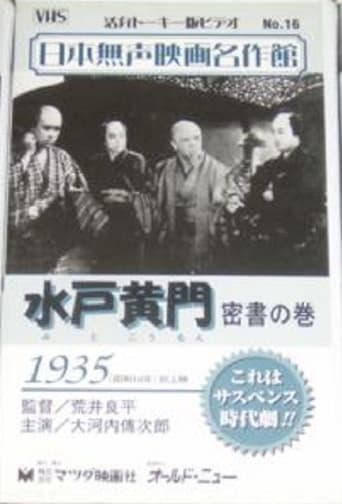
Mito Komon - The Secret Letter
Movie1935
Writer
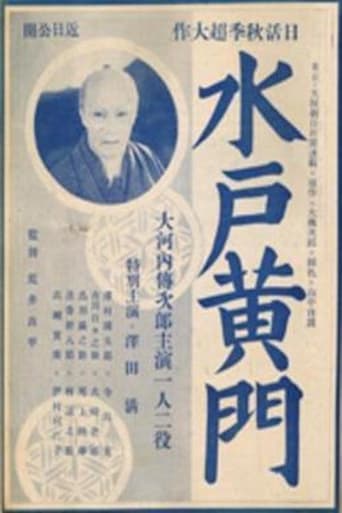
Mito Kômon: Rai Kunitsugu no maki
Movie1934
Screenplay
- The Elegant Swordsman
The Elegant Swordsman
Movie1934
Writer
- Jirokichi the Rat-Kid: Edo Reel Part 2
Jirokichi the Rat-Kid: Edo Reel Part 2
Movie1933
Screenplay
- Jirokichi the Rat-Kid: Edo Reel
Jirokichi the Rat-Kid: Edo Reel
Movie1933
Screenplay
- Jirokichi the Rat-Kid: The Journey
Jirokichi the Rat-Kid: The Journey
Movie1933
Screenplay
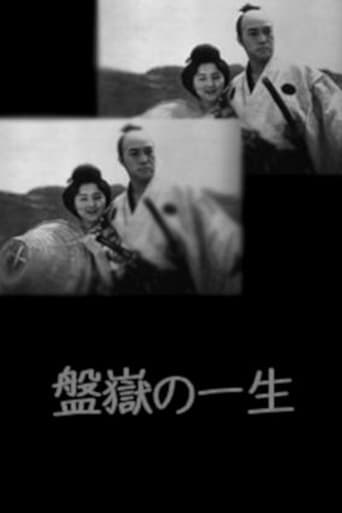
Bangaku no issho
Movie1933TMDB 8.0
Screenplay
- Satsuma Courier Part 2: The Passionate Sword
Satsuma Courier Part 2: The Passionate Sword
Movie1933
Screenplay
- Ogasawara Ikinokami
Ogasawara Ikinokami
Movie1932
Screenplay
- Iso-no-genta's Sword
Iso-no-genta's Sword
Movie1932
Screenplay
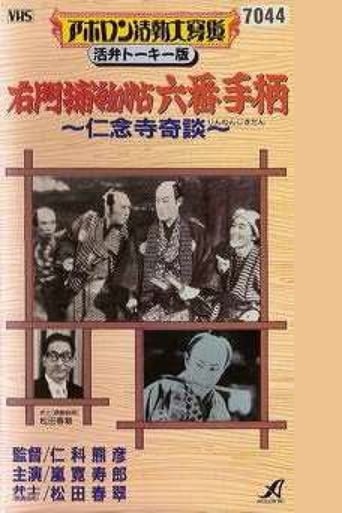
Detective Umon's Diary, Story No. 6
Movie1930TMDB 5.6
Writer
- Umon's First Exploit
Umon's First Exploit
Movie1929
Screenplay